
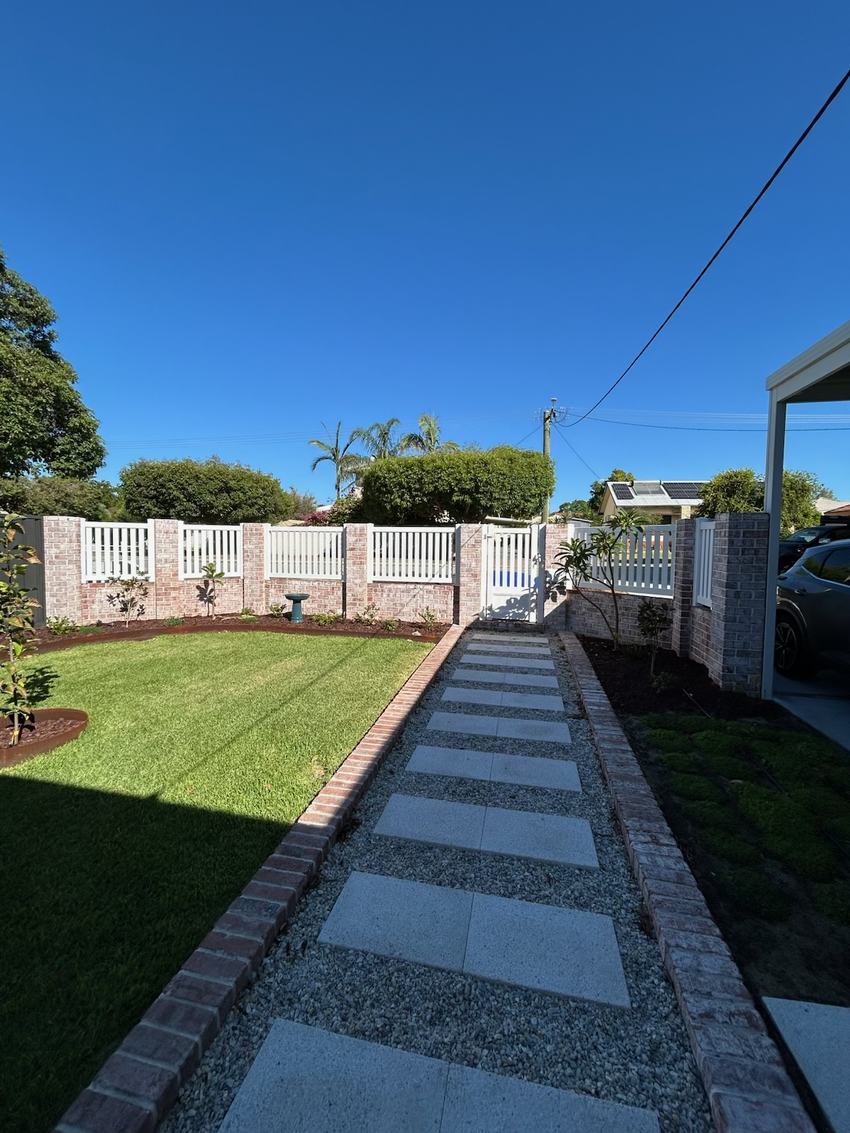
A new boundary fence has to do more than mark where your block ends. It needs to handle Perth sun, summer heat, wind, coastal air in some suburbs and the day-to-day demand for privacy and security. When comparing PVC fencing vs timber, the better choice comes down to how much maintenance you are willing to take on, the look you want and how long you expect the fence to perform.
PVC offers a clean, consistent finish with very little ongoing work. Timber brings natural warmth and flexibility, but it needs regular care to stay straight, sound and presentable in Western Australian conditions. Both can be excellent fencing materials when they are specified and installed for the right job.
PVC Fencing vs Timber: The Key Differences
PVC fencing is made from durable vinyl components designed to resist moisture, insects and fading. It is commonly chosen for its crisp white appearance, Hamptons-style appeal and low-maintenance finish. Unlike painted timber, the colour runs through the material, so there is no surface coating to peel or repaint.
Timber fencing is usually built from treated pine, hardwood or timber-look products, depending on the design and budget. It can suit everything from a straightforward paling boundary fence to a more detailed feature screen. Timber is familiar, versatile and often costs less upfront, particularly for standard boundary fencing.
The main difference is the level of ownership after installation. A timber fence may need staining, painting, oiling, repairs or replacement of individual boards as it ages. PVC generally needs a wash to remove dust, cobwebs and garden residue. For busy homeowners, landlords and commercial property managers, that reduced upkeep can make a noticeable difference over the life of the fence.
Appearance and Street Appeal
Timber has a natural texture that works particularly well with established gardens, character homes and properties aiming for a relaxed, organic look. It can be painted in almost any colour and adjusted on site to suit uneven ground, unusual boundaries or custom heights. If you want a dark feature fence, a rustic finish or a design that blends into heavy planting, timber gives you plenty of creative scope.
PVC delivers a more refined, uniform result. White PVC picket fencing is a strong choice for Hamptons-inspired façades, front gardens and pool surrounds where a bright, neat finish matters. Solid PVC privacy panels can also create a clean backdrop around entertaining spaces without the knots, splits and colour variation associated with timber.
That said, PVC is not trying to imitate raw timber. Its best results come when the material is used confidently as a modern, tailored fencing solution. On a contemporary Perth home, a neat PVC fence can lift street appeal while keeping the frontage open and welcoming. For a heavily landscaped bush block or heritage-style home, timber may feel more at home.
Maintenance in Perth Conditions
Perth’s UV exposure is hard on exterior materials. Timber can dry out, crack, warp and fade when it is exposed to constant sun without suitable treatment. Rain and reticulation can also create conditions for decay around posts and lower rails, especially where drainage is poor. Treated timber is designed for outdoor use, but treatment does not remove the need for routine inspections and maintenance.
PVC does not rot, absorb water or attract termites. It will not need sanding, staining or repainting, which is a major advantage for owners who want a fence that stays tidy with minimal effort. A soft brush, mild soapy water and a hose are usually enough to freshen it up.
Low maintenance does not mean no care at all. Dust, bore water staining, mould in shaded areas and marks from garden equipment should be cleaned before they become harder to remove. It is also worth keeping sprinklers directed away from any fence material, as mineral-rich water can leave residue over time.
For coastal properties in Perth, Bunbury or Busselton, PVC can be especially appealing because it is not vulnerable to salt-related corrosion. Timber can still perform well near the coast, but it needs more regular attention to maintain its protective finish.
Durability, Repairs and Everyday Wear
A properly installed PVC fence can provide many years of reliable service. The panels will not splinter, and the material is a practical option for families with children, pets and pool areas. Its smooth surfaces are easy to clean, and the absence of nails, rough edges and peeling paint is a genuine benefit around high-use outdoor spaces.
Timber is strong and can handle a wide range of fencing applications, but it is more exposed to natural movement. Boards may shrink as they dry, palings can loosen, and posts can eventually deteriorate below ground level. The good news is that timber repairs are often straightforward. A damaged paling or rail can usually be replaced without rebuilding the entire fence.
PVC repairs can be more specialised. If a panel is damaged by a vehicle, fallen branch or forceful impact, matching components and professional installation may be required. It is also important that PVC fencing is installed with the correct post spacing, footings and bracing. A quality product needs a quality installation to remain straight and secure through strong winds.
Cost: Upfront Price Versus Long-Term Value
Timber is often the more affordable choice at the start, particularly for long side boundaries where a basic treated-pine paling fence meets the brief. This can make it a sensible option for developments, rental properties or projects with a tight initial budget.
PVC fencing generally has a higher upfront supply and installation cost. The materials, post system and finished appearance are more premium than a standard timber fence. However, the long-term picture can be different once you account for painting, staining, repairs and the time required to keep timber looking its best.
The right question is not simply, “Which fence costs less?” It is, “What will this fence cost me to own over the next 10 years?” A homeowner planning to stay put may see value in paying more for PVC and avoiding regular maintenance. An investor replacing a damaged boundary fence quickly may prefer timber for its lower entry cost and easy repair options.
Fence length, access, slope, demolition of an old fence, gates and site preparation all affect the final quote. A site measure is the best way to compare like for like, rather than relying on per-metre figures that may not include the details your property needs.
Privacy, Security and Practical Design
Both materials can provide effective privacy when built at an appropriate height and layout. Timber paling fencing is a familiar choice for enclosed backyards and side boundaries. It creates a solid visual screen and can be adapted with capping, exposed posts or painted finishes to suit the home.
PVC privacy fencing offers the same sense of enclosure with a more polished finish. It works well around patios, spas, pool zones and front boundaries where the fence will be visible every day. Lattice-style PVC tops can add airflow and soften the height of a privacy fence without sacrificing the overall look.
For higher-security applications, neither material should automatically be treated as the complete answer. Commercial sites, high-risk properties and areas requiring stronger access control may be better suited to purpose-designed security fencing, steel systems or automated gates. A fence should match the level of protection required, not just the preferred appearance.
Before choosing a height or style, check local council requirements, estate guidelines and pool barrier rules where relevant. Shared boundary fencing can also involve discussion with neighbours about cost, style and responsibility. Sorting these details early helps avoid delays once work is ready to begin.
When Timber Is the Better Choice
Choose timber when you want a natural finish, need extensive colour flexibility or are working to a lower upfront budget. It is also a practical material for irregular sites where custom cutting and adjustment will be needed. With good-quality treated materials, sound installation and a planned maintenance routine, a timber fence can remain a dependable boundary solution for years.
Timber can be particularly effective when the fence is partly concealed by landscaping and you are happy for it to weather naturally or refresh its finish over time. It offers character that PVC cannot replicate exactly.
When PVC Is the Better Choice
PVC is a strong fit when a clean, long-lasting finish and minimal maintenance are priorities. It suits homeowners who do not want a regular painting job added to the weekend list, as well as investors looking for a tidy, easy-care fence between tenancies.
It is also well suited to modern façades, Hamptons-style homes, pool areas and coastal properties where a fresh white fence can improve street appeal without the upkeep of painted timber. If consistency matters, PVC gives you a finish that looks uniform across the full boundary from day one.
A well-chosen fence should feel like part of the property, not an afterthought. Perth Fence Pro can assess your site, discuss the look and performance you need, and provide a clear quote for a fencing solution that suits your home, budget and timeframe. The best result is the one that keeps doing its job long after installation day, while making the property look better every time you come home.