
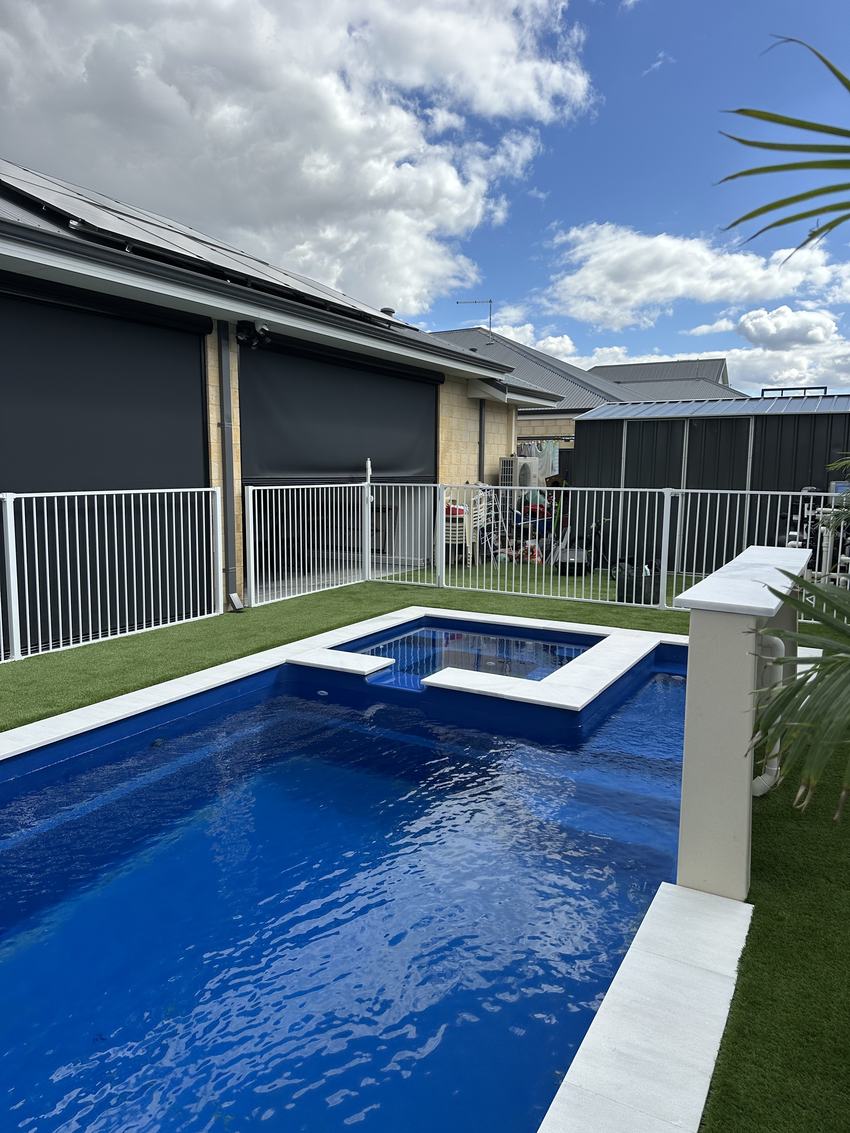
A pool fence is not a finishing touch to add once the paving is down. Its position affects how safely children can access the water, how easily adults can supervise the area, and how the entire backyard looks from the house. Knowing how to plan pool fencing before construction starts helps avoid costly changes later and gives you a safer, more usable outdoor space.
For Perth homes, the best result usually comes from treating the fence, gates, landscaping and pool surrounds as one project. The goal is simple: create a compliant barrier that is secure, durable and suited to the way your household actually uses the backyard.
Start with safety and compliance
Pool fencing in Western Australia must meet specific safety requirements. These rules cover matters such as fence height, gaps under and between barriers, gate operation, latch position and climbable objects near the fence. Requirements can vary depending on when the pool was installed and the type of property, so it is wise to confirm the current rules with your local council and a qualified pool fencing professional before ordering materials.
Do not assume an existing boundary fence is automatically suitable as part of a pool barrier. A fence may look solid but still have climbable rails, gaps, damaged panels or nearby structures that create a safety issue. Retaining walls, raised garden beds, outdoor furniture, trees and even pool equipment can affect compliance when they sit close to the barrier.
Plan for the final inspection, not just the day the fence goes in. If you expect to add a planter, bench seat or storage box later, allow enough clearance now so it cannot become a foothold beside the fence.
Map the pool zone before choosing a fence
The first design decision is where the pool barrier will sit. Some properties suit a fence that closely follows the pool perimeter. Others work better with a larger enclosed pool area that includes space for loungers, a dining setting or an outdoor shower.
A tight pool enclosure can be more economical because it uses less fencing. It also keeps the barrier closer to the water, which may make supervision easier from nearby seating. The trade-off is that access can feel restricted, and there may be limited room for entertaining within the fenced area.
A wider enclosure can create a more relaxed poolside zone and provide better circulation around the pool. It may also offer a cleaner design if the fence lines up with existing paving, pergola posts or boundary features. However, it requires more material, more posts and careful thought around gates and access points.
Walk the site at different times of day before settling on the layout. Consider where people enter from the house, where wet feet will travel, where the afternoon sun hits and where you need room for pool servicing. In Perth, pool areas are often used heavily through the warmer months, so a layout that looks good on a plan must also work when towels, toys and outdoor furniture are in use.
Plan pool fencing around access and supervision
Every gate should have a clear purpose. Most homes need a main gate from the house or alfresco area, while larger blocks may need separate access from a side path, garage or garden. More gates can be convenient, but each one adds cost, hardware and another point that must operate correctly.
Position gates where adults naturally approach the pool, rather than where they are least visible. A gate hidden around the side of the house may be practical for a pool technician, but it should not be the only everyday entry if it makes supervision more difficult.
The gate needs enough room to swing freely without striking furniture, walls, garden edging or a barbecue. It should self-close and self-latch reliably from every open position. This is one area where quality hardware matters. A gate that sticks after a few months, or fails to latch in a strong sea breeze, is not a minor annoyance - it is a safety concern.
Also think about visibility from inside the home. Clear sightlines from the kitchen, living room or alfresco can make it easier to keep an eye on the pool area. Glass fencing is often chosen for this reason, while aluminium fencing can offer a more defined boundary with good visibility through vertical panels.
Choose a material that suits the setting
The right pool fence material depends on your preferred look, maintenance expectations, budget and exposure to the elements. Coastal properties around Perth, Bunbury and Busselton need particular consideration, as salt air can be hard on poorly specified materials and fittings.
Frameless and semi-frameless glass
Glass pool fencing delivers an open, premium finish and keeps views of the water, landscaping and outdoor entertaining area clear. It works especially well where the pool is a feature of the backyard or where you want the space to feel larger.
Frameless glass has minimal visible structure, while semi-frameless systems use posts for a more defined look and can be a practical middle ground on budget. Both need regular cleaning to manage fingerprints, splash marks and mineral residue. On a sloping or irregular site, the layout may also require more detailed planning than a standard panel system.
Aluminium pool fencing
Powder-coated aluminium fencing is a popular choice for its clean lines, durability and low maintenance. It suits contemporary homes, investment properties and family backyards where a secure, straightforward barrier is the priority. Vertical aluminium panels allow airflow and visibility while giving the pool zone a neat, structured edge.
Aluminium is available in a range of colours, making it easier to coordinate with Colorbond boundary fencing, window frames, pergolas or outdoor screens. It is often a cost-effective choice for larger pool enclosures or sites that need several access points.
Custom screening and feature elements
Slat screening or perforated feature panels can work well outside the regulated pool barrier, particularly where you need privacy from neighbours or want to hide pumps and equipment. Within the pool zone, every design element must still be assessed for climbability and compliance. A stylish panel is only suitable if it does not compromise the barrier.
Allow for levels, drainage and existing structures
A level backyard makes pool fencing simpler, but many Perth properties have changes in ground height, retaining walls or stepped paving. These features need to be considered before posts are installed. A fence that follows a slope may need stepped panels, raked panels or custom fabrication to keep gaps and heights within requirements.
Drainage matters too. Water should not pool around posts, gates or glass spigots after rain or pool cleaning. Poor drainage can affect the finish of paving, make gates harder to operate and create ongoing maintenance issues. Coordinate the fencing layout with paving falls, garden edging and any planned drainage channels.
If the fence connects to a house wall, boundary fence, retaining wall or masonry pier, check that the connection point is structurally sound and appropriate for a pool barrier. It is usually more efficient to resolve these details during planning than to adapt the design after materials arrive.
Keep landscaping outside the safety zone
Landscaping softens a pool area, adds privacy and can make a new fence feel established quickly. It also creates one of the most common planning mistakes: placing climbable items too close to the barrier.
Keep pots, planter boxes, outdoor chairs, storage units and decorative features well clear of the fence. Choose plants that will not quickly grow into a climbable screen or interfere with gate movement. Dense planting can look excellent along an external fence line, but it should not hide latches, reduce access for maintenance or make it difficult to inspect the barrier.
If privacy is a concern, consider where screening belongs beyond the compliant pool fence rather than trying to make the barrier itself do every job. Separating privacy screening from the safety barrier often gives a better result visually and makes compliance easier to manage.
Budget for the full installation, not only the panels
When comparing pool fencing quotes, look beyond the cost per metre. The total price can be influenced by site access, demolition of old fencing, core drilling, footings, slope, custom panel sizes, gates, latches, hinges, return panels and the condition of existing structures.
Glass can have a higher upfront cost, particularly where custom-sized panels or complex corners are required. Aluminium may offer stronger value on a large enclosure, while still providing a durable and modern finish. The cheapest option is not always the best long-term option if it uses inferior hardware or does not suit the exposure and traffic around your pool.
Ask for the scope to clearly explain what is included. A reliable installer should be able to discuss the layout, likely site challenges, material options and how the finished fence will work with the rest of your outdoor area.
Arrange installation at the right stage
Pool fencing should be installed when the final pool level, paving and key structures are known. Installing too early can lead to damage from later trades or create problems if paving levels change. Leaving it too late can delay inspections and prevent the pool from being used.
Coordinate the fencing contractor with the pool builder, paver, landscaper and electrician where needed. Clear sequencing protects finished surfaces and reduces the risk of last-minute alterations. Perth Fence Pro can help property owners plan a durable pool barrier that works with the site, the chosen materials and the desired backyard finish.
A well-planned pool fence should feel like part of the home rather than an obstacle placed around the water. Prioritise safe access, dependable gate hardware and a layout that supports everyday living, and the finished space will be easier to enjoy for years to come.