
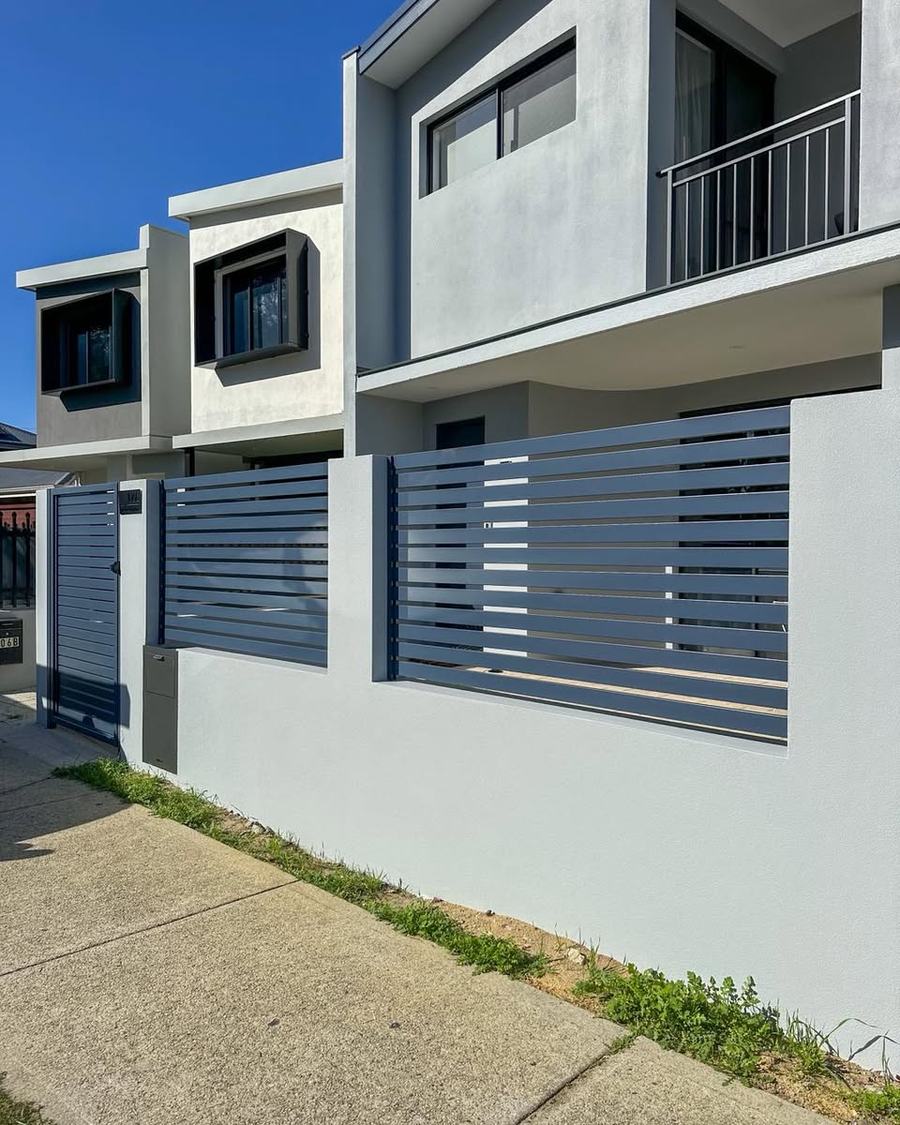
A close neighbour, an exposed patio or an untidy side passage can make an otherwise well-designed property feel unfinished. Privacy screening panels give Perth homes and commercial spaces a practical way to define outdoor areas without closing them in. The right screen adds privacy, filters harsh afternoon sun and creates a clean architectural finish that suits the property.
For Perth conditions, screening needs to do more than look good on installation day. It must handle strong winds, coastal air, heat and regular use while remaining easy to maintain. That is why material, panel design, fixing method and placement all deserve careful consideration before a project begins.
What Privacy Screening Panels Can Solve
Privacy screens are often used where a full boundary fence would be too heavy or visually restrictive. They can separate patios from neighbouring windows, shield an outdoor dining area, conceal bins and service equipment, or create a private zone around a spa, courtyard or balcony.
They also bring order to open spaces. A slatted screen can frame an entry without blocking the view from the street, while a perforated panel can break up a long fence line and add a design feature. On commercial properties, screening is useful for defining outdoor areas, covering utilities and improving the presentation of premises facing customers or tenants.
The best result starts with a clear purpose. If the priority is complete privacy, a solid or tightly spaced design may be required. If airflow and light matter more, wider aluminium slats or perforated panels can provide a lighter finish while still reducing sightlines. There is no one-panel answer for every property.
Choosing Privacy Screening Panels for WA Conditions
Perth’s climate makes durable, low-maintenance materials a sensible investment. Sun exposure can fade inferior finishes, while wind loading can place significant pressure on large panels and their posts. Homes near the coast also need materials and finishes suited to salt-laden air.
Aluminium slat screening
Aluminium slat screening is a popular choice for contemporary homes, patios, pool surrounds and side boundaries. It has clean lines, does not rust and is available in a wide range of powder-coated colours. Slats can be installed horizontally or vertically, with spacing adjusted to balance privacy, airflow and visibility.
Horizontal slats suit many modern facades and can make a narrow area feel wider. Vertical slats can create a stronger sense of height and are often effective beside entry paths or on compact courtyards. The trade-off is simple: wider gaps allow more breeze and light, but they also reveal more from certain angles.
Perforated metal panels
Perforated privacy panels offer a more decorative option. Their patterned finish can add character to a front garden, feature wall or alfresco area, especially when combined with modern fencing, masonry or timber-look elements. They provide partial privacy rather than a fully solid barrier, so they are best selected with the viewing angle in mind.
A detailed pattern may look dense from the street yet become more transparent when viewed from close range or under bright backlighting. This is worth checking before choosing a design for a bathroom window, outdoor shower or highly exposed patio.
Colorbond and solid steel screening
For areas where privacy is the main goal, solid steel panels can provide a straightforward, durable solution. Colorbond-style screening works well alongside existing Colorbond fencing and can help create a consistent boundary treatment across the property. It is particularly practical for side setbacks, service areas and locations where neighbouring buildings sit close together.
Solid screening reduces wind and visibility less selectively than slats. In a tightly enclosed courtyard, that can also reduce airflow. A combination of solid panels at the lower level and slatted or perforated sections above can often achieve better privacy without making the area feel boxed in.
PVC screening
PVC screening can be a cost-effective, low-maintenance choice in suitable locations. It does not require painting and is easy to clean, making it useful where a simple, neat finish is needed. Quality and installation matter, particularly in exposed areas, as panels need adequate support to stay straight and secure over time.
Height, Placement and Sightlines Matter Most
A privacy screen only works if it blocks the right line of sight. Before finalising the panel height, consider where people are standing or sitting on both properties. A screen that appears tall enough from ground level may not provide privacy from a neighbour’s raised deck, upper-storey window or driveway.
For outdoor entertaining areas, it is useful to look at seated and standing sightlines. A lower screen may hide a dining table but leave the barbecue or lounge area exposed. On the other hand, taking screening too high can make a small yard feel shaded and enclosed.
Placement can solve this without building a continuous wall. A return panel at the end of a patio, a short screen beside an outdoor kitchen or a carefully positioned feature panel can block direct views while preserving an open layout. This targeted approach often delivers a more attractive and cost-effective outcome than screening every boundary.
Local planning rules, estate guidelines and strata requirements may affect fence and screen heights, especially near front boundaries, corner blocks and shared boundaries. It is sensible to check requirements early rather than redesigning the project after materials have been selected.
Build for Wind, Not Just Appearance
Screening panels catch wind. The more solid the panel, the more load is transferred to posts, rails and footings. This is especially relevant in exposed suburbs, elevated blocks and coastal areas around Perth, Bunbury and Busselton.
A good installation accounts for panel span, post size, fixing points and the ground conditions on site. Screens fixed to an existing wall or fence should only be attached where the structure is capable of carrying the additional load. A lightweight decorative panel may not need the same support as a tall solid screen, but neither should be treated as an afterthought.
If privacy is needed in a windy location, slatted or perforated designs can reduce pressure by allowing some air to pass through. That does not automatically make them suitable for every site, but it is a useful option where a solid panel would require heavier structural support.
Match the Screen to the Rest of the Property
Privacy screening is most effective when it feels like part of the property rather than an add-on. Matching the panel colour to window frames, roofing, existing fencing or gate hardware can create a cohesive finish. Dark charcoal, black and Monument-style tones suit many modern homes, while lighter neutrals can soften a coastal or Hamptons-inspired exterior.
Texture matters too. Slim aluminium slats complement clean contemporary architecture, while decorative perforated panels work well as a statement detail. If a property already has Colorbond boundary fencing, adding an aluminium or steel screen in a complementary powder-coated finish can lift the overall appearance without creating competing styles.
For investment properties and commercial sites, simpler designs are often the best long-term choice. A neutral colour, durable finish and straightforward layout are easier to maintain, repair and present to future tenants or buyers.
Privacy Screens Around Pools and Outdoor Areas
Screens can make a pool or alfresco area more comfortable by reducing overlooking and creating shade at certain times of day. However, a decorative screen is not automatically a compliant pool barrier. Pool fencing has specific safety and clearance requirements, and any screening near a pool should be planned so it does not create climbable features or interfere with required access.
This is also where material selection becomes practical. Aluminium screening is well suited to wet outdoor environments and is easy to keep clean. Avoid designs that create hard-to-reach dirt traps or require frequent repainting in a high-splash area.
Keep Maintenance Simple
One of the main benefits of modern privacy screening is low maintenance. Powder-coated aluminium and quality steel panels generally need only a regular wash with mild detergent and water to remove dust, salt and grime. Coastal properties should be cleaned more frequently, particularly after periods of strong onshore wind.
It is also worth checking fixings, posts and gate-adjacent panels from time to time. Early attention to loose hardware or accidental damage helps preserve the screen’s appearance and performance. Avoid harsh abrasives that may damage powder-coated surfaces.
A well-planned screen should make an outdoor space more usable from the day it is installed, not create another maintenance job. Perth Fence Pro can help assess privacy needs, site exposure and preferred finishes so the completed screening suits both the property and the way it is used. The right panel in the right position can turn an exposed area into a private, durable and inviting part of the home.