
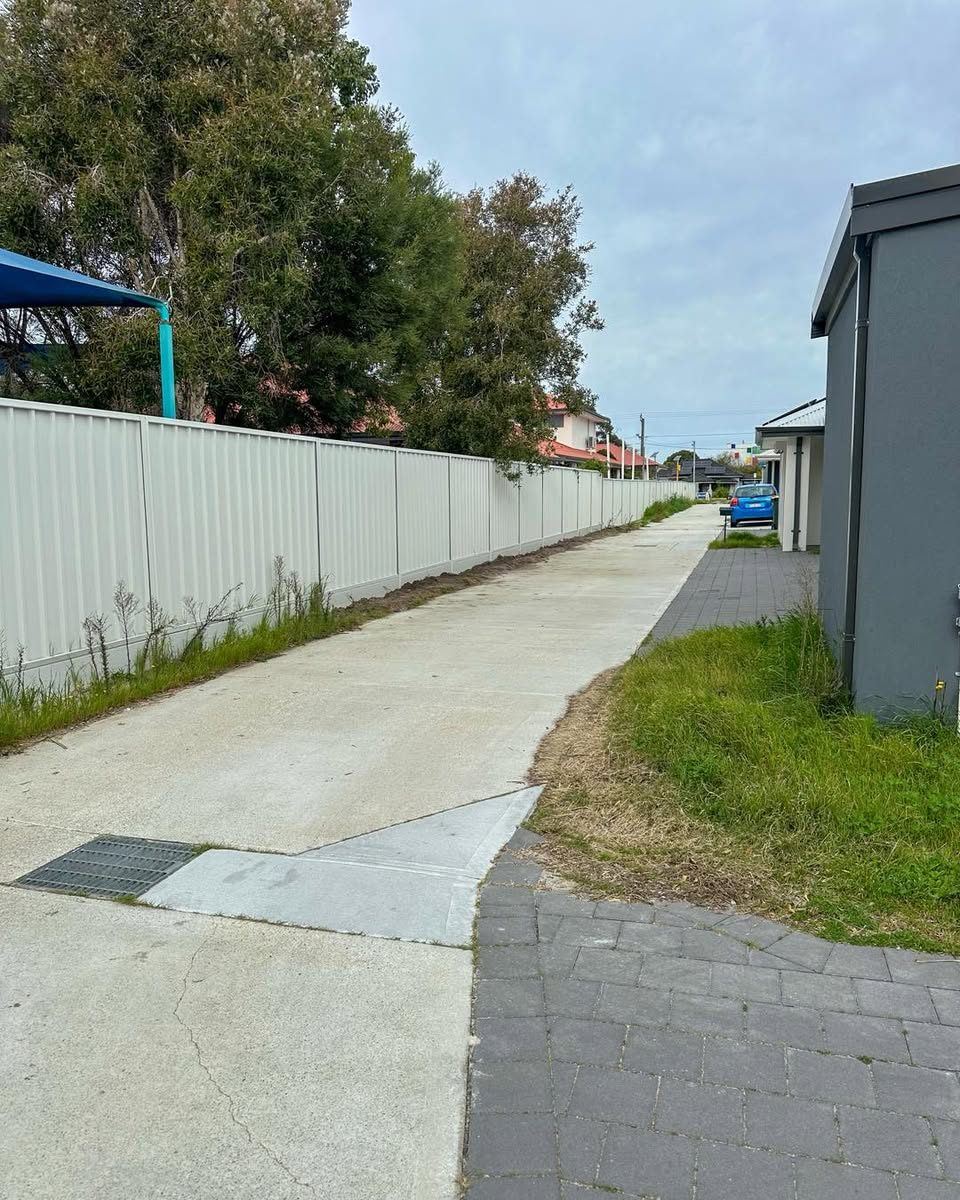
A fence job usually goes off the rails before the first post goes in. It happens when access is too tight, the boundary is unclear, old concrete is still in the ground, or a nice straight run turns out to be anything but. If you want to prepare site for fencing properly, the goal is simple - remove delays, avoid rework, and give your installer a clean, accurate area to work with.
Good preparation saves time, protects your budget, and helps the finished fence look better. It also gives you a clearer idea of what type of fence will suit the block, whether that is Colourbond for privacy, aluminium slats for a more architectural look, PVC for low maintenance, or security fencing for a commercial site.
Why site preparation matters more than most people think
Fencing looks straightforward from the street, but installation depends on what is happening at ground level and below it. A slight fall across the block, hidden tree roots, uneven soil, buried services, or leftover footings from an old fence can all change the way a fence needs to be set out.
That matters for both appearance and performance. A poorly prepared site can lead to misaligned panels, awkward gaps under the fence, drainage issues, and posts that are harder to install correctly. On sloping blocks in Perth and surrounding areas, the difference between a fence that looks sharp and one that looks improvised often comes down to preparation.
Start with the boundary, not the materials
Before you choose colours, profiles, or gate hardware, confirm exactly where the fence is going. This sounds obvious, but boundary confusion is one of the most common causes of delays and neighbour disputes.
If the fence is replacing an existing boundary fence, do not assume the old line was correct. Check plans if you have them, and if there is any doubt, organise a survey before work starts. That is especially important for investment properties, duplex developments, and commercial sites where a small line error can create a larger problem later.
For front fencing, also think about setbacks, gate swing, driveway clearance, and how the finished line will work with the house facade. The right position is not always the most obvious one.
Clear the fence line properly
To prepare site for fencing, the fence line needs to be genuinely clear - not just "clear enough". Installers need room to measure, dig, set posts, move materials, and keep the fence run straight.
That usually means removing loose rubbish, garden edging, stacked pavers, timber offcuts, kids' play equipment, pot plants, and anything else sitting along the line. Overgrown grass, creepers, and shrubs should be cut back well before installation day. If branches hang into the work area, trim them early rather than dealing with them while the job is underway.
Old fences also need attention. If demolition is part of the project, check whether posts, concrete footings, and buried rails are being removed or worked around. Leaving old material in the ground can slow the job and affect post placement. In some cases, partial removal might seem cheaper upfront but create more labour on installation day.
Check the ground conditions
Not every block is ready for posts the moment the old fence comes out. Soft ground, heavily compacted areas, rocky sections, and soil movement all affect how the fence is installed.
Walk the fence line and look for obvious changes in level, signs of water pooling, exposed roots, and hard surfaces such as existing concrete or paving. If the fence is going beside a retaining wall, note the height difference and whether the wall affects access or post depth.
Ground slope is a big one. A gentle fall may suit a raked or stepped fence depending on the material and the look you want. A stronger slope needs more planning, especially if privacy is important and you do not want visible gaps underneath. Slat fencing, pool fencing, and Colourbond all handle levels differently, so site conditions should guide product choice, not the other way around.
Identify underground and overhead obstacles
A clean fence line above ground does not mean the area is clear below it. Services such as water, power, gas, irrigation, stormwater and communications can sit right where posts need to go.
Before digging starts, underground services should be identified. This is not a corner you want to cut. Hitting a service can stop the job immediately, create safety risks, and add costs you did not budget for.
Also check overhead conditions. Tree canopies, carports, awnings, and power lines can affect how long rails or panels are moved into place. On tighter residential blocks, side access may already be limited, so overhead clearance matters more than people expect.
Think through access for materials and equipment
Fast installation relies on practical access. If the crew cannot get materials to the fence line easily, the whole job takes longer.
Measure side access if the work is going through a gate or down a narrow path. Look at corners, air-conditioning units, hot water systems, meter boxes, and raised garden beds that could restrict movement. On commercial sites, check loading zones, shared access points, and whether there are time restrictions for trades.
If access is poor, say so early. It does not always stop the job, but it can change how materials are handled and how long installation takes. Being upfront helps avoid surprises on the day.
Decide what stays and what goes
One of the simplest ways to keep a fencing project moving is to make clear decisions before the crew arrives. Are you keeping the hedge near the boundary? Is the paving staying? Does that lean-to gate need to come out? Are the old posts being fully removed?
Hesitation at this stage often creates half-day delays. If landscaping or other trades are involved, coordinate the order of works. Sometimes fencing should happen first. In other cases, a retaining wall, pool surround, or driveway edge needs to be completed before the fence can be set accurately.
There is no single rule here. It depends on the site, the fence type, and whether the priority is privacy, security, presentation, or all three.
Prepare neighbouring properties and shared boundaries
For boundary fencing, good communication makes the install smoother. Let neighbours know when work is scheduled, what access may be needed, and whether the existing fence will be removed completely before the new one goes in.
This matters even more on close-set suburban blocks where installers may need to work from both sides to achieve the best result. Pets should be secured, fragile garden items moved back, and any access arrangements agreed in advance.
If the project involves strata, tenants, or a commercial tenancy, notify the right people early. Waiting until installation day is where simple jobs become awkward.
Match the preparation to the fence type
Different fences ask different things from the site. A Colourbond boundary fence generally needs a straight, well-cleared line and enough room to set posts consistently. PVC fencing benefits from accurate levels and tidy presentation because its clean finish shows inconsistencies quickly. Pool fencing calls for careful set-out around gates, latch positions, paving lines, and compliance clearances.
Aluminium slat and perforated fencing often sit in more design-focused spaces, so visual alignment matters just as much as structure. Security fencing for commercial properties may need wider gates, stronger footings, and better vehicle access during installation.
That is why the best way to prepare site for fencing is not just clearing space. It is preparing the right space for the style and purpose of the fence you actually want.
What to do just before installation day
A final check the day before can save a lot of wasted time. Make sure the fence line is accessible, pets are secure, vehicles are moved, and any locked gates can be opened. If there is reticulation near the boundary, mark it clearly. If power or water access has been arranged for the crew, confirm it is available.
It is also worth checking the weather and the ground. Heavy rain can soften parts of the site, especially on newly landscaped blocks. That may not stop the install, but it can affect how the team works through the area.
For clients across Perth, Bunbury and Busselton, the sites that run best are usually not the biggest or the simplest. They are the ones where the groundwork has been thought through early, with no guesswork left for the day of installation.
A well-prepared site gives your new fence the best start - straighter lines, fewer delays, and a finish that looks right for the property long after the tools are packed away.