
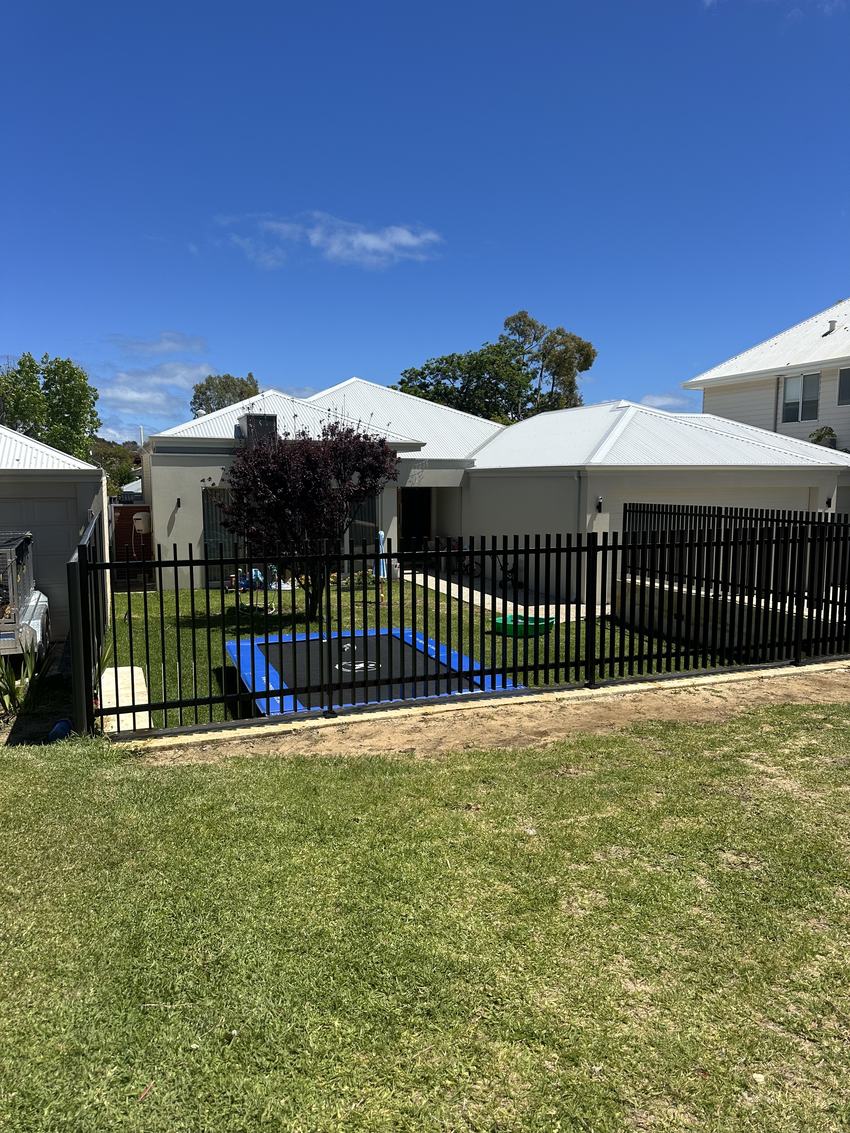
A pool gate that looks fine but fails to latch properly is the sort of problem most owners do not notice until the gate swings open on its own. That is exactly why a solid pool gate latch guide matters. The latch is not a minor hardware choice. It is one of the key parts that helps a pool fence do its job - keeping the area secure, compliant and practical for everyday use.
Around Perth, Bunbury and Busselton, pool fencing needs to handle strong sun, changing weather and constant use. A latch that sticks, sags or corrodes can turn a good-looking gate into a weak point fast. If you are building a new pool fence or replacing worn hardware, it pays to get the latch right from the start.
What a pool gate latch actually needs to do
A pool gate latch has one core job. It must secure the gate every time the gate closes, without relying on someone to check it manually. That sounds simple, but in practice, the right latch also needs to work smoothly with the gate frame, hinges, closer and fence material.
On a well-built pool gate, the latch should engage cleanly and consistently. It should not need a hard slam. It should not catch only some of the time. And it should not become unreliable after a few months of exposure to sun, salt air or regular family traffic.
That is where many problems start. People often focus on the glass, aluminium or overall fence style, then treat the latch as an afterthought. In reality, the latch is one of the highest-use components in the whole pool barrier.
Pool gate latch guide: the main types
Most pool gate latches fall into a few broad categories, and the right choice depends on your gate style, material and compliance needs.
Magnetic latches are a popular option for modern pool fencing because they are designed to pull shut and engage reliably. When installed correctly, they offer smooth operation and a clean finish. They are especially common on aluminium and glass pool gates. The main advantage is consistency. The trade-off is that installation needs to be precise. If the gate drops slightly over time or the alignment is poor from day one, performance can suffer.
Mechanical latches use a more traditional catch mechanism. These can be durable and cost-effective, but quality varies. A cheaper latch may work well at first, then become stiff or temperamental in outdoor conditions. For pool areas, the difference between budget hardware and good-quality hardware becomes obvious quickly.
Key-lockable latches add another layer of control, which can be useful in some residential and commercial settings. They can help when owners want to restrict access during maintenance, vacancy periods or after hours. The key point here is practicality. Added security is useful, but only if the latch still works easily for daily entry and exit.
Compliance is not just about the fence panel
Many pool owners think compliance starts and ends with fence height and gate swing direction. It does not. The latch position and operation are part of the overall safety standard, and that means the hardware must be considered as part of the complete barrier system.
In general terms, pool gates need to self-close and self-latch. The latch release also needs to be positioned and protected in a way that reduces the chance of unsupervised access. Exact requirements can vary depending on the pool, property and applicable standards, so it is worth checking current WA requirements when planning new work or upgrades.
The practical takeaway is simple. A latch can be strong, stylish and expensive, but if it is installed at the wrong height or in the wrong position, that does not help much. Good compliance comes from the full setup - gate frame, hinges, closing action, latch placement and clearances.
Why material matters in WA conditions
Perth conditions are hard on outdoor hardware. Heat, UV exposure, rain and coastal air can all shorten the life of a poor-quality latch. If the property is closer to the coast, corrosion resistance becomes even more important.
Marine-grade or high-quality corrosion-resistant materials are usually worth the extra spend for pool hardware. Stainless steel components can be a good option, but grade matters. Powder-coated hardware can also perform well when matched to the right environment and maintained properly.
This is one of those areas where the cheapest option often becomes the most expensive. Replacing a failed latch, adjusting a gate that no longer closes properly and dealing with avoidable compliance concerns is rarely a saving.
Matching the latch to the gate type
Not every latch suits every gate. Glass pool fencing, aluminium tubular fencing and slat-style pool barriers all have different fixing methods, weight profiles and design details.
With frameless or semi-frameless glass, latch compatibility is critical. The hardware needs to suit the glass thickness and the gate's swing action. It also needs to maintain a clean look without compromising function. On aluminium pool gates, there is often more flexibility, but alignment and long-term rigidity still matter.
Heavier gates need hardware that can handle the load without gradual sagging. Lighter gates can still cause trouble if the closer is too weak or the latch is not aligned with the strike point. This is why a latch should never be chosen in isolation. It needs to work as part of a complete gate system.
Installation quality makes the difference
A good latch installed badly will still be a bad result. This is often the issue behind gates that need a push to shut, bounce open after closing or only latch if they are slammed.
The gate needs correct hinge tension, proper alignment and enough clearance to move freely without rubbing or dragging. The latch must be mounted at the right height and set accurately so it engages every time. Even a few millimetres out can create ongoing problems.
This is also why DIY replacements can be hit and miss. Swapping one latch for another sounds straightforward, but if the gate has shifted, the hinges are tired or the post has movement, the new latch may not solve the actual problem. In many cases, the hardware is only one part of a larger adjustment issue.
Maintenance is simple, but it cannot be ignored
The best pool gate latches are low-maintenance, not no-maintenance. Dust, salt, wear and seasonal movement can all affect how the gate performs.
A quick check every so often goes a long way. Open the gate fully and let it close on its own. Make sure it latches without help. Check for looseness, signs of corrosion, worn screws or misalignment. If the latch is sticking, do not leave it for later. Small issues tend to become larger ones when the gate is used every day.
If the gate starts dragging or closing too slowly, it is worth having the full setup inspected. Sometimes the latch is fine and the hinges or closer need adjustment. Other times, the latch itself has reached the end of its service life.
When to replace instead of repair
Not every latch problem needs a full replacement, but some do. If the body is cracked, the mechanism is worn, corrosion is advanced or the latch repeatedly fails to engage even after adjustment, replacement is often the smarter option.
This is especially true for older pool fences with hardware that was never particularly strong to begin with. Upgrading to a better-quality latch can improve reliability straight away and may also give a cleaner, more modern finish.
For property investors and commercial managers, replacement can be the more practical move simply because it reduces the risk of repeat call-backs and ongoing maintenance. For homeowners, it usually comes down to trust. If you are second-guessing whether the gate latched properly, the hardware is no longer doing its job.
Choosing a latch with safety, style and speed in mind
The right pool gate latch should feel almost invisible in daily use. It should close cleanly, latch reliably and suit the look of the fence without drawing attention for the wrong reasons.
That balance matters more than people think. A pool area is not just a compliance zone. It is part of the home, and the hardware should support both safety and presentation. A bulky or poorly matched latch can cheapen the overall finish. A well-selected one adds to the clean, durable look most owners want from a modern pool fence.
For new installations, the best approach is to choose the latch alongside the gate and fence design, not after everything else has been decided. For existing fences, look at the whole gate system before assuming the latch alone is the issue. That is the sort of practical approach Perth Fence Pro takes with pool fencing - fast, reliable and built to last in WA conditions.
If there is one thing worth remembering, it is this: the best pool gate latch is the one that works properly every single time, without fuss, because that is what keeps a pool fence doing the job it was built to do.