
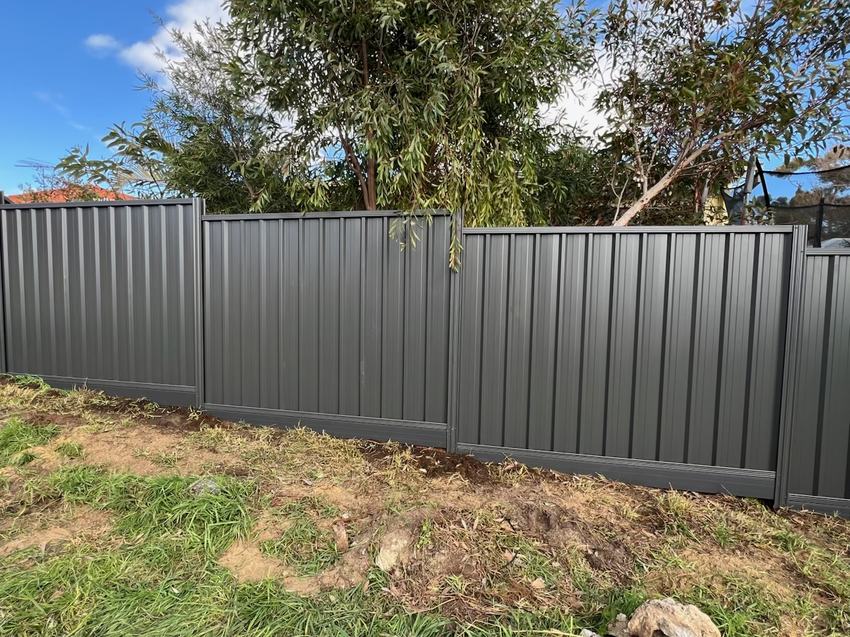
A gate usually gets noticed when it fails. It drags, rattles in the wind, won’t latch properly, or looks like an afterthought next to a well-finished fence. That is why choosing the right Colourbond gate options matters just as much as selecting the fence itself. The right gate should match the look of the boundary, handle daily use, and suit the way people, cars and equipment move through the property.
Across Perth and regional WA, that choice often comes down to more than appearance. Wind exposure, block layout, driveway width, privacy needs and how much maintenance you want to deal with all play a part. A neat gate that works poorly is still a poor result. The best outcome is a gate that feels easy to use, holds up over time and looks right from the street.
Which Colourbond gate options suit your property?
There is no single best gate for every site. The right option depends on access, available space and how the gate will be used day to day. A side path gate for a family home has very different demands from a front sliding gate on an investment property or a commercial access point used several times a day.
For most residential properties, the first decision is between a pedestrian gate and a vehicle gate. A pedestrian gate is usually installed for side access, bin areas, rear laneways or pathways to a backyard. It needs to be secure, simple to latch and wide enough to be practical without taking up unnecessary room.
Vehicle access gates need more planning. If the driveway is short or slopes upward, a swing gate may not be ideal. If there is limited clearance beside the fence line, a sliding gate can become difficult or expensive to install. This is where experience on local sites makes a difference. A gate should suit the block, not just the brochure.
Swing gates
Swing gates are a popular choice because they are straightforward, reliable and can be designed to blend neatly with Colourbond fencing. For side access or smaller openings, a single swing gate is often the most practical option. It keeps the hardware simple and gives you easy day-to-day access.
For wider driveways, double swing gates can create a balanced, clean frontage. They work well on flat sites where there is enough clearance for both leaves to open fully. The trade-off is space. If the driveway is steep, short or regularly blocked by parked cars, swing gates can become inconvenient.
Sliding gates
Sliding gates are often the better fit when space is tight or driveway conditions make swing gates awkward. Rather than opening inward or outward, the gate moves sideways along the fence line. That makes it a strong option for urban blocks, narrow frontages and commercial entries where a clear opening path matters.
They also pair well with automation. If you want remote access, frequent vehicle use or better control over entry points, a sliding gate can be a smart long-term choice. The main consideration is that you need enough run-off space along the fence line and the installation needs to be accurate. Tracks, posts and alignment all matter.
Matching Colourbond gate options to style and privacy
One of the biggest advantages of Colourbond is consistency. When the gate is built to suit the fence profile and colour, the whole boundary looks intentional. That matters on modern homes, new builds and renovated properties where street appeal carries real value.
If privacy is the priority, solid infill gate designs are usually the go-to. They block views into side yards and outdoor areas and create a stronger sense of enclosure. This suits homes on busy roads, corner blocks and properties where outdoor living areas sit close to the boundary.
If you want a lighter look, partial slat or framed gate designs can break up the visual weight while still providing security. These styles can work well at the front of the property, especially when paired with contemporary fencing, feature screening or architectural facades. The trade-off is reduced privacy. In some cases that is fine. In others, it defeats the purpose of the gate.
Colour choice also affects the final result more than many people expect. Darker tones can look sharp and modern, but they absorb more heat and make dust more visible. Lighter tones can feel softer and cleaner from the street, though they may not deliver the same visual contrast against brickwork or landscaping. It depends on the home, the streetscape and how much of a statement you want the fencing to make.
Hardware, latches and automation matter
The panel itself gets most of the attention, but hardware is what determines how the gate actually performs. Hinges, latches, posts, drop bolts and locking systems need to suit the size and weight of the gate. If the hardware is underspecified, even a well-made gate will start showing problems early.
For pedestrian gates, the priority is usually secure latching and smooth operation. If the gate is used multiple times a day, it should close cleanly without slamming or requiring a hard push. Pool-adjacent gates, side access gates and tenancy-related access points all need slightly different hardware setups depending on compliance and usage.
For vehicle gates, especially wider ones, the post strength and frame construction become more critical. Automation can also be worth considering from the start rather than adding it later. A manually operated gate might seem fine during quoting, but daily use can tell a different story, particularly in bad weather or on busy sites.
Automation is not necessary for every property, but for many homes and commercial premises it adds genuine convenience and security. Remote entry, keypad access and controlled opening times can all improve how the property functions. That said, automation adds cost and requires proper setup. It is a good investment when the gate is used often or access control matters.
What works best for homes, rentals and commercial sites?
Homeowners usually want a gate that improves privacy, secures the block and looks clean from the street. In that case, a Colourbond pedestrian gate at the side and a matching vehicle gate at the front often gives the best balance of function and appearance. It keeps the design consistent and avoids the pieced-together look that can happen when gate styles are mixed.
For investment properties, durability and simple operation tend to matter most. The gate should be secure, low-maintenance and easy for tenants to use. Overly complicated access systems can create more callouts than they are worth. A straightforward, strong gate with dependable hardware is often the better choice.
Commercial properties need a slightly different approach. Frequency of use, access width, security requirements and vehicle type all need to be factored in. A gate for a warehouse, strata site or managed premises must handle more wear and often needs stronger access control. This is where build quality and installation accuracy matter even more, because downtime and faults become expensive fast.
Site conditions can rule options in or out
A gate that looks perfect on one property can be the wrong solution on another. Ground levels, retaining walls, paving, drainage, fence returns and available clearance all affect what can be installed properly. In WA, wind exposure also deserves attention. A wide gate on an exposed site needs to be built and supported to cope with those conditions.
This is why measuring the opening alone is not enough. You also need to understand how the gate will move, where it will rest when open and whether vehicles or foot traffic will be interrupted. On a sloping block, for example, a sliding gate may solve a problem that a swing gate would create. On another site, the opposite may be true.
A good quote should account for these conditions early. It should not just price a gate panel. It should consider posts, hardware, access, alignment and how the gate integrates with the rest of the fencing.
Getting the right result from the start
The best Colourbond gate options are the ones that fit the property, the access needs and the finish you want across the whole frontage. That might mean a simple side gate with reliable hardware, a double swing gate that complements a modern home, or a sliding gate designed for regular vehicle use. The details matter because a gate is not just a gap in the fence. It is a moving part that needs to work every day.
If you are weighing up gate choices for a home, development or commercial site, it helps to look beyond colour charts and standard widths. Think about how the gate will be used, how often it will open, and what will matter more in five years - the cheapest option now, or a cleaner, stronger installation that keeps doing its job. That is usually where the better decision becomes clear.