
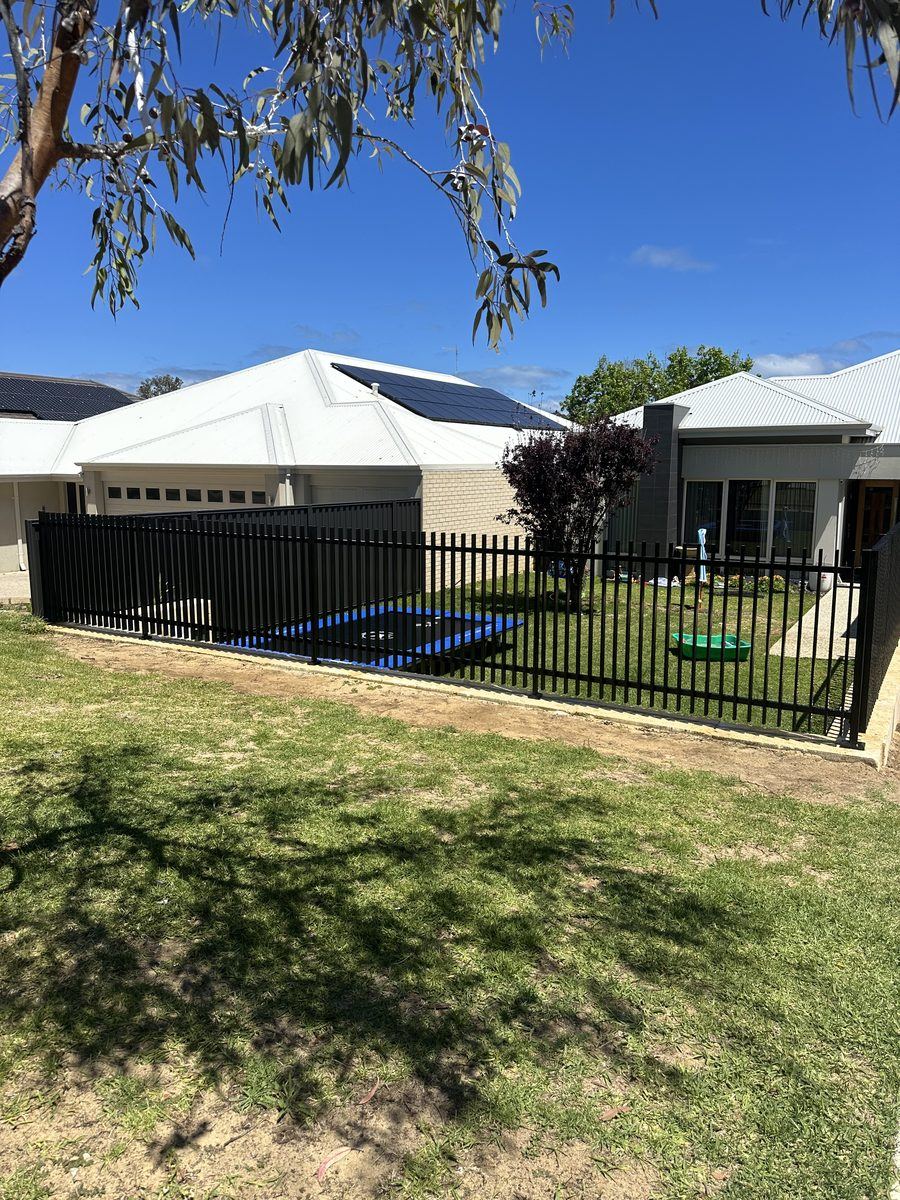
A fence that looks secure from the street is not always the fence that does the job. The right choice depends on what you are trying to stop, who needs access, and how the fence will sit with the rest of the property. If you are working out how to choose security fencing, the best place to start is not with style or price, but with the level of risk the fence needs to manage.
Start with the reason you need security fencing
Security fencing means different things on different sites. For a family home, it may be about discouraging opportunistic access, protecting side entries, and creating a stronger boundary without making the frontage feel harsh. For a commercial property, it might need to control after-hours entry, protect stock or equipment, and work with gates, access systems, and vehicle movement.
That is why there is no single best option for everyone. A taller, more defensive fence can be the right move for a warehouse or storage yard, but the same fence may feel excessive on a suburban frontage. In many cases, the most effective result comes from balancing visibility, strength, privacy, and appearance rather than chasing the most aggressive-looking product.
How to choose security fencing for your property type
The property itself should guide the specification. Residential blocks usually need a fence that improves security while still matching the home. Commercial and strata sites often need harder-wearing systems with more focus on perimeter control and gate integration.
On homes, side and rear boundaries are often the priority because they are less visible and more vulnerable to unwanted access. Front fencing can still play a security role, but it usually needs to be more considered in appearance. Slat and aluminium options can work well here because they create a strong boundary line without making the home feel closed off.
On commercial premises, the discussion changes quickly. You may need anti-climb features, wider vehicle access, stronger posts, and layouts that suit loading zones, car parks, or plant areas. If the site handles foot traffic, deliveries, or shift workers, access points matter just as much as the fence panels.
Choose the right material for strength and maintenance
Material choice affects security, upkeep, lifespan, and visual impact. This is where many property owners narrow the field too early. A lower-maintenance fence that stays straight, secure, and presentable over time often delivers better value than a cheaper option that needs repeated repairs.
Steel security fencing is a common choice where strength is the top priority. It suits commercial sites, schools, storage areas, and higher-risk boundaries because it provides a rigid barrier and can be configured in heights and styles that are difficult to breach. It also handles Perth conditions well when supplied and installed properly.
Aluminium security fencing is popular where you want a clean, modern finish with lower maintenance. It will not suit every high-impact environment, but it is a practical option for many residential and light commercial applications. It also works well when street appeal matters and you want security without a heavy industrial look.
Colourbond can also play a role in security, especially for residential side and rear boundaries where privacy is important. It does not offer the same visibility as open-style security fencing, and that can be either a benefit or a drawback depending on the site. If hiding valuables from view is the goal, privacy helps. If you want clear sightlines to monitor movement, a more open style may be better.
Height, gaps and anti-climb detail matter more than most people think
A security fence is only as effective as its weak points. Height is one part of that, but not the whole story. A medium-height fence with limited footholds and tight spacing can be harder to climb than a taller fence with easy grip points.
This is why spacing, rail placement, and top detail deserve attention. Vertical designs with minimal horizontal footholds generally offer better climb resistance than styles that effectively create a ladder. Pointed or crimped tops may be appropriate on some commercial sites, while residential properties usually need a more balanced approach that still suits the streetscape.
The gap under the fence matters too. Even a solid fence loses value if there are easy access points beneath panels or around corners. Sloping blocks, retaining walls, and uneven ground need to be handled carefully during installation so the finished boundary does not leave obvious vulnerabilities.
Do not treat gates as an afterthought
A strong fence paired with a weak gate is a common mistake. Gates are used more often, take more wear, and often become the first failure point if they are poorly specified or badly installed.
When deciding how to choose security fencing, think about how people and vehicles actually move through the site. A pedestrian gate for a home should latch securely, resist sagging, and be easy to use every day. A commercial sliding or swing gate may need to allow for frequent access, larger openings, and automation.
Hardware matters here. Hinges, locks, latches, posts, closers, and even the alignment of the gate frame all affect long-term performance. If security is the goal, the gate should never feel like an add-on. It should be part of the system from the start.
Privacy versus visibility - it depends on the site
One of the biggest decisions is whether you want a fence that blocks views or a fence that allows visibility. There is no universal answer because both approaches solve different problems.
A private boundary can help reduce temptation by keeping vehicles, equipment, and outdoor areas out of sight. That makes solid fencing appealing for homes, side boundaries, and certain commercial uses. It can also improve noise reduction and make outdoor spaces feel more contained.
Open-style security fencing gives you sightlines. That can be useful for monitoring movement, improving passive surveillance, and making it easier to see along the perimeter. For many business sites, visibility is an advantage because staff, neighbours, or passing traffic can more easily notice unusual activity.
If your property needs both privacy and security, a mixed approach often works best. You might use solid fencing on side and rear boundaries, then a more open and design-led frontage with a secure gate.
Think about local conditions in WA
Perth and surrounding WA areas place real demands on outdoor materials. Heat, sun exposure, coastal air in some locations, and day-to-day wear all affect how a fence performs over time.
That is why finish quality and material suitability are not small details. A fence may look similar on day one, but coatings, fabrication quality, and installation standards influence how well it holds up after years of weather exposure. Low maintenance is not just about convenience. It also helps keep the boundary secure because rust, movement, loose fittings, and poor alignment tend to worsen if left alone.
On coastal or exposed sites, it is worth discussing the environment before choosing a product. The right recommendation may change depending on how close the property is to salt air and how exposed the boundary is to prevailing weather.
Budget for the full system, not just the panels
Price matters, but it needs to be measured against what the fence is expected to do. A quote that looks cheaper upfront may exclude the details that actually make the fence secure, such as upgraded posts, better hardware, stronger gates, or site-specific installation work.
Ground conditions can also affect cost. Rock, slope, old footings, retaining, and restricted access all change what is involved. So do custom heights, automation, and the need to tie into existing structures.
A practical way to think about budget is to separate must-haves from preferences. If the fence needs to secure a vulnerable side boundary or business perimeter, structural performance comes first. Finish, style, and added design detail should support that, not replace it.
Work with a fencing contractor who can match product to purpose
Good security fencing is not just about selecting a catalogue item. It is about matching the right system to the property, the risk level, and the way the site is used every day. That takes more than a rough measurement and a price per metre.
An experienced local contractor should ask what you are protecting, where access is needed, how much privacy you want, and what the fence needs to cope with over time. They should also be realistic about trade-offs. For example, the most private option is not always the best for surveillance, and the toughest commercial style is not always the right fit for a home frontage.
For owners across Perth, Bunbury and Busselton, that local understanding matters. Conditions, property layouts, and council expectations can vary, and the right advice should reflect that. Perth Fence Pro approaches security fencing the same way it approaches every boundary project - with practical recommendations, durable materials, and an eye on how the finished result will look as well as how it will perform.
The best security fence is the one that solves the real problem on your site, holds up in WA conditions, and still looks right every time you pull into the driveway or open the gate in the morning.