
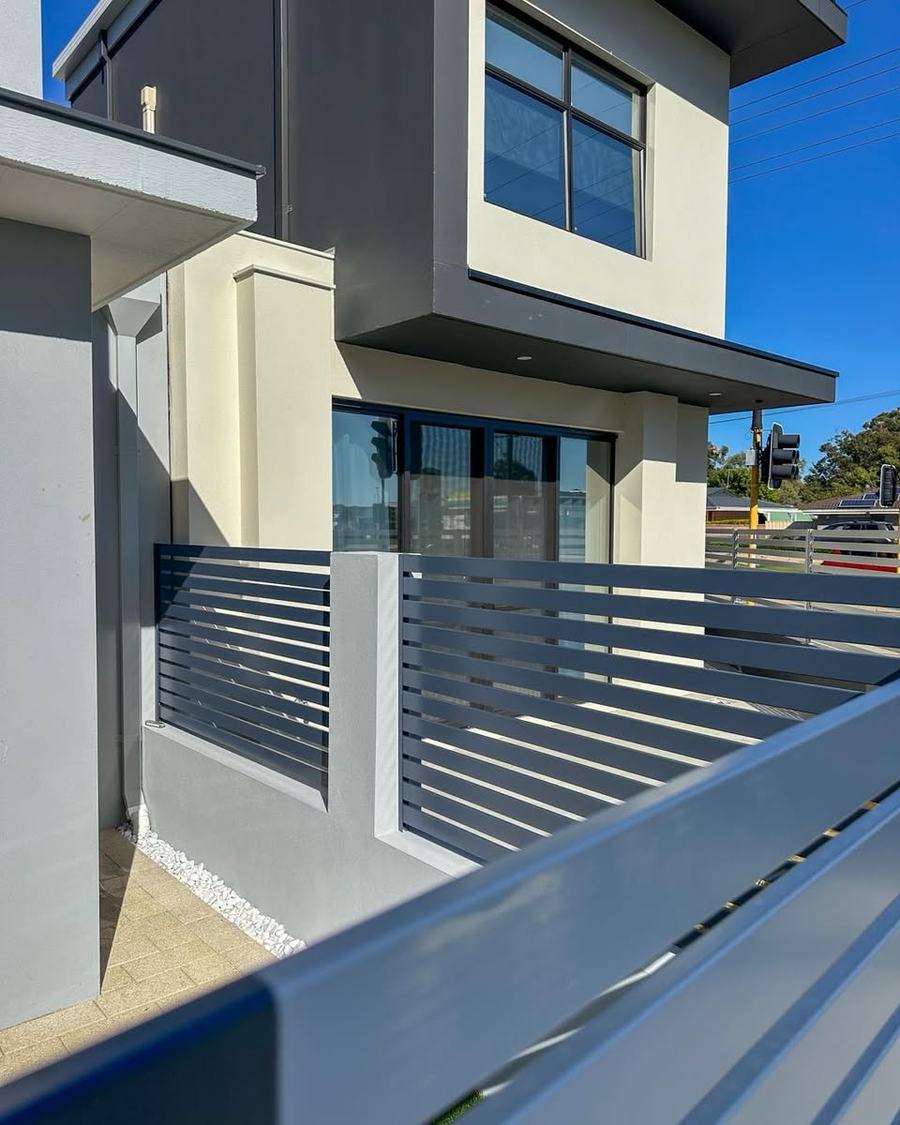
A backyard can feel exposed even when it already has a boundary fence. Neighbouring windows, a busy laneway, pool traffic or an open side boundary can all reduce the sense of privacy homeowners expect. Fence privacy screens add targeted coverage where it matters most, while giving the property a cleaner, more finished look.
For Perth properties, the right screen needs to do more than block a view. It should handle strong sun, wind, coastal air where relevant, and everyday wear without becoming another high-maintenance job. Material, height, spacing and the existing fence structure all affect the final result.
What a privacy screen should achieve
A privacy screen is not always intended to replace a full boundary fence. It can sit above an existing fence, close off the view into an alfresco area, divide outdoor zones, conceal bins or service equipment, or provide a more private poolside setting. That flexibility makes screening a practical option when the current fence is secure but does not provide enough coverage.
The most successful installations balance privacy with airflow and light. A fully solid panel can give maximum seclusion, but it may make a narrow courtyard feel enclosed or catch more wind. Slatted and perforated designs provide a more open appearance while still limiting direct sightlines. The best choice depends on where people stand, sit and look from on both sides of the fence.
Privacy should also work from the areas you actually use. Screening at the outdoor dining table, beside the pool, near a bedroom window or along a shared driveway can make a bigger difference than increasing the height of every boundary fence.
Fence privacy screens for Perth conditions
Perth's climate is ideal for outdoor living, but it places real demands on exterior materials. Long periods of sun can fade or dry out lower-quality products, while seasonal winds test the strength of posts, fixings and panels. In coastal suburbs, salt-laden air adds another consideration.
Powder-coated aluminium is a popular choice for modern privacy screening because it is lightweight, durable and low-maintenance. Aluminium slats can be arranged horizontally or vertically and finished in colours that complement Colorbond fencing, rendered walls and contemporary façades. They do not rot, and they avoid the ongoing staining or painting often associated with timber.
Colorbond steel screening is another strong option where a solid, consistent boundary finish is the priority. It suits homes that already use Colorbond fencing and want a coordinated look. Quality steel products offer dependable performance, although careful planning is needed around height, wind loading and drainage.
PVC can suit selected applications where a crisp, low-maintenance finish is wanted. It will not rust or require painting, but product quality matters, particularly in exposed locations. A properly specified system is far more likely to retain its appearance through hot summers.
Timber screening brings natural warmth and can suit Hamptons-inspired or garden-focused designs. However, it needs regular maintenance in Western Australian sun. If you prefer the timber look without the upkeep, aluminium battens or slats can offer a practical alternative.
Choosing between solid, slatted and perforated panels
The screen style should be based on the privacy problem, not just a photo you have saved for inspiration. Each option creates a different result.
Solid panels for direct privacy
Solid panels are effective where a neighbour's upper-level window overlooks a courtyard, or where a side boundary faces a public path. They create a clear visual barrier and can also help contain wind in some outdoor areas. The trade-off is that a completely solid design may reduce light and breezes, particularly in compact spaces.
Solid screening works well when used selectively. For example, a solid section behind a barbecue or outdoor lounge can be paired with more open slats along the rest of the boundary to avoid a boxed-in feel.
Aluminium slats for privacy with airflow
Aluminium slat fencing and screens are a strong all-round choice for Perth homes. The gap between slats can be adjusted to manage privacy, light and ventilation. Closer spacing provides more coverage, while wider spacing maintains a lighter visual effect.
Horizontal slats often make a small yard appear wider. Vertical slats can add height and create a sharper architectural finish. Both work well with modern homes, pool areas and front courtyards, especially when the screen colour is matched to window frames, gates or existing fencing.
Keep in mind that slats do not need to be completely gap-free to be private. When viewed on an angle, overlapping sightlines can make a well-designed slatted screen far more private than it first appears.
Perforated screens for a design-led finish
Perforated metal panels provide privacy without the weight of a solid wall. Their patterned surface filters views and sunlight while introducing a feature element to the landscape. They are particularly effective as entry screens, courtyard dividers and focal points around patios.
Because perforated designs are more visually detailed, they tend to work best as a feature rather than along every metre of a boundary. The pattern, hole size and panel colour all influence how private the screen feels from different distances.
Height, approvals and neighbour considerations
A privacy screen that is too low will not solve the problem. One that is too high, poorly supported or non-compliant can create a different set of issues. Fence height rules can vary based on the property, location, street frontage and whether the structure is close to a boundary.
Before installation, confirm the relevant local council requirements and any strata or development approval conditions that apply to your property. This is especially important for corner blocks, front fences, retaining walls, pool barriers and screening attached above an existing boundary fence. A fence contractor can help identify practical design options, but formal approval requirements should always be checked before work starts.
A quick conversation with neighbours is also worthwhile where the screen sits on a shared boundary. It can prevent misunderstandings about height, appearance, access and cost. Clear planning is particularly useful for investment properties and commercial sites where several parties may be involved.
Installation details that affect long-term performance
A quality screen is only as dependable as its supporting structure. Adding panels to an old or lightweight fence without checking its condition can lead to movement, rattling or damage in high winds. In some cases, independent posts and footings are the better solution.
Posts need to be sized for the screen height, panel weight and exposure of the site. Fixings should suit the material and be corrosion-resistant, especially in coastal areas. Gates, if included, need enough clearance and strong hardware so they remain easy to operate after years of use.
Think about access before the job begins. A screen that conceals a pool pump, air-conditioning unit or bins should still allow room for servicing and collection. Where a screen meets paving, garden beds or retaining, neat finishing details make the installation look intentional rather than added on.
Colour deserves the same attention. Dark colours can recede into the landscape and create a contemporary look, while lighter colours can reduce heat absorption and suit coastal or Hamptons-style homes. Matching the screen to a Colorbond fence is reliable, but contrast can be equally effective when it is repeated in gates, trims or outdoor furniture.
When to use screening instead of a new fence
If the boundary fence is structurally sound, a privacy screen can be a faster and more cost-effective way to improve a particular area. It is ideal when the issue is overlooking rather than security at ground level. It can also create a private outdoor room without changing the entire perimeter of the property.
A full fence replacement may be the better investment when the existing fence is leaning, corroded, damaged or no longer meets your security needs. For commercial premises, security fencing with controlled access may take priority, with privacy screening added where customers, staff or equipment need visual protection.
For homeowners planning a broader upgrade, combining Colorbond fencing, aluminium slat screens and a matching gate can create a consistent finish from the front boundary through to the backyard. Perth Fence Pro can assess the site and provide a practical quote based on the privacy required, the style of the property and the conditions the fence needs to handle.
The right screen should make your outdoor space easier to use, not simply hide it. Start by standing in the areas where privacy matters most, identify the exact sightlines you want to block, and choose a solution that will still look sharp after another Perth summer.