
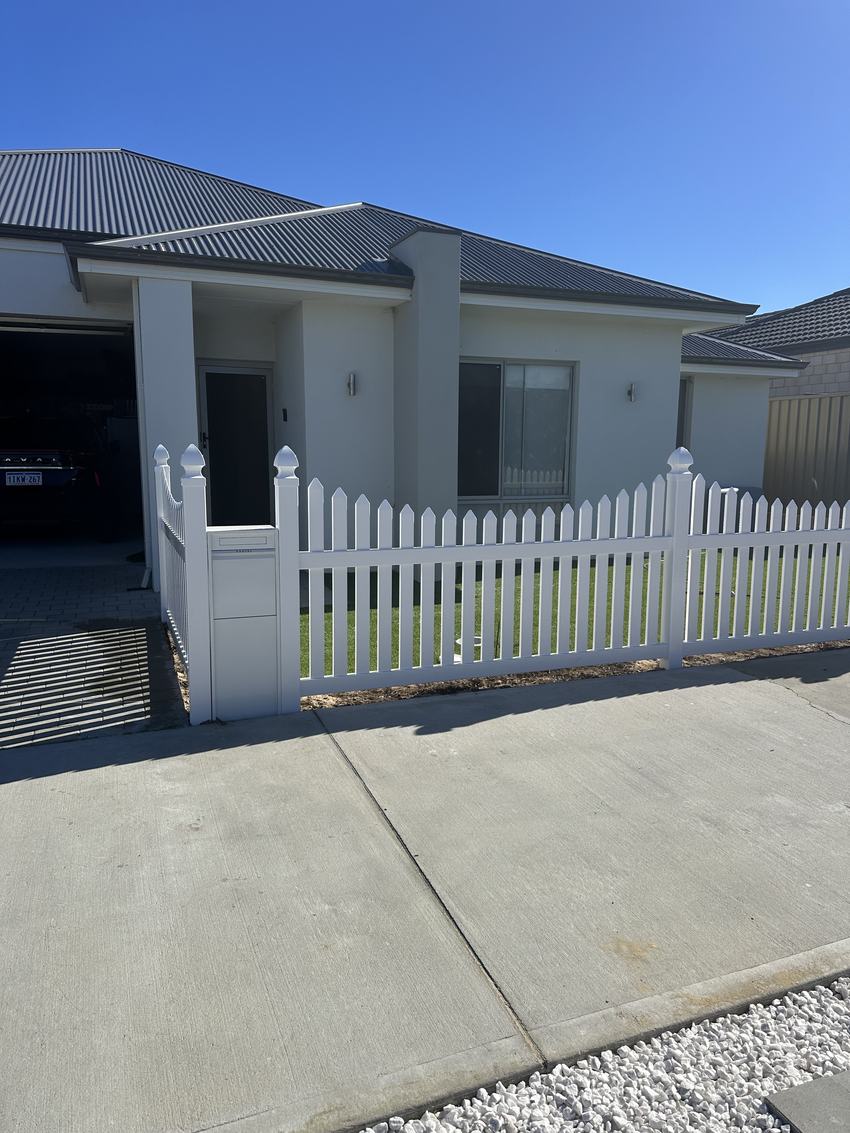
A fence can be doing its job perfectly and still make a property look unfinished. That is why PVC fencing appeals to Perth owners who want defined boundaries, dependable privacy and a clean white finish without the recurring painting, staining or rust treatment that comes with some alternatives. This PVC fencing buyer guide covers what to compare before you commit, from panel style and site conditions to installation quality and long-term value.
PVC fencing is often called vinyl fencing, although product quality can vary significantly between suppliers. The better systems are engineered for outdoor use, use UV-resistant materials and are designed as interlocking posts, rails and panels rather than thin sheets fixed to a basic frame. For homes, strata properties and commercial sites, the right system can deliver a polished boundary that stays practical for years.
What makes PVC fencing a strong choice in WA?
PVC fencing has a crisp, consistent appearance that suits Hamptons-style homes, coastal properties, contemporary builds and traditional front gardens. It can create a full privacy screen along a side boundary, a neat picket fence to frame a front yard, or a semi-private enclosure around entertaining spaces.
Its main advantage is low maintenance. PVC will not rot like untreated timber, and it does not corrode like unprotected steel. Most routine care involves a hose-down and a gentle wash to remove dust, bore water marks, spider webs and garden residue. This matters in Perth, where dry summers can leave outdoor surfaces looking tired quickly.
The trade-off is that PVC is not the right answer for every boundary. It is usually a premium option compared with basic timber fencing, and a poor-quality product can become brittle, discolour or move under pressure. A fence is only as good as its materials, footing design and installation, so comparing like for like is essential.
PVC fencing buyer guide: start with the job your fence must do
Before choosing a profile, decide what the fence needs to achieve. Privacy, security, pool compliance, pet containment and street appeal can overlap, but they do not always call for the same design.
A solid full-height PVC fence is well suited to side and rear boundaries where overlooking, wind exposure or noise are concerns. A spaced picket design gives a more open result for a front boundary, allowing the garden and home façade to remain visible from the street. Semi-private styles sit between the two, providing definition without completely closing off light and views.
For a property near the coast, on an exposed corner block or in an open semi-rural area, wind loading deserves special attention. Tall solid panels catch more wind than open pickets. The installer may need closer post spacing, deeper footings or a design better suited to the site. Choosing a fence based on a catalogue image alone can create problems later.
If the fence forms part of a pool barrier, do not assume every PVC style is suitable. The finished height, gaps, latch location, gate swing and clearance beneath the fence all need to meet the applicable pool barrier requirements. Plan this as a complete system, not as a fence with a gate added at the end.
Choose a style that suits the property
PVC fencing is available in more than plain white pickets. Your selection should work with the home’s proportions, surrounding materials and the visibility of the boundary.
Full privacy panels
Privacy panels use closely fitted vertical boards or tongue-and-groove-style infills to form a solid screen. They are a practical choice for neighbouring boundaries, courtyards and areas near outdoor living zones. Decorative top sections, such as lattice or narrow pickets, can soften the look while retaining useful screening below.
Consider the height carefully. A taller fence may improve privacy, but it can make a narrow side passage feel enclosed and may be subject to local planning controls. On sloping land, stepped panels can look more deliberate than trying to force a level line across the site.
Picket and semi-private fencing
Picket fencing gives a home an approachable, well-kept street presence. It works particularly well with weatherboard-inspired façades, Hamptons styling and front gardens where visibility matters. PVC pickets retain their shape and colour better than painted timber when properly specified, without asking you to repaint every few years.
Semi-private designs use wider boards, gaps or decorative sections to provide more screening than a picket fence while keeping the boundary light. They are often a good fit for front and side fencing where complete visual separation is unnecessary.
Gates and access points
A gate should match the fence in both style and strength. Think about how often it will be used, whether it needs to accommodate bins, garden equipment or a ute, and how it will latch in windy conditions. Wider double gates can be useful for side access, but they need substantial posts and quality hinges to prevent sagging over time.
Gate hardware is not a minor detail. Reliable hinges, latches and drop bolts make daily use easier and help maintain security. For pool areas, self-closing and self-latching hardware must be selected and installed with compliance in mind.
Look beyond the panel thickness
When comparing quotes, ask what sits behind the finished look. Quality PVC fencing systems use posts and rails with enough strength for the panel span and local conditions. Some products include aluminium reinforcement in key rails or posts, which can add stability for gates, longer runs and exposed locations.
Ask whether the quoted fence includes post caps, reinforced rails, gates, hardware, removal of an old fence and disposal of waste. A cheaper starting price can quickly change when these essentials are treated as extras.
Colour retention also matters. White remains the most common PVC fencing colour because it gives a classic, bright finish and complements many Perth homes. However, all outdoor plastics need protection from harsh sunlight. Choose a system designed for Australian UV conditions and ask about the manufacturer’s warranty, including what it covers for fading, cracking and structural performance.
Installation is where long-term performance is decided
PVC fencing is often promoted as simple to assemble, but a straight, secure result depends on accurate set-out and solid posts. Boundaries are rarely perfectly level, soil conditions can change across a block, and even a small alignment issue becomes obvious on a long run of white fencing.
A professional installation begins by checking the boundary line, finished levels, underground services and access. Existing retaining walls, garden beds, paving and drainage can all affect the installation method. If an old fence is being removed, the team should also consider how to secure the site during the changeover, particularly where pets, children or tenants are involved.
Posts need to be set to the correct depth and spacing for the selected system. On sandy Perth soils, footing design and compaction are particularly important. On sloping or retained sites, the fence may require stepped sections, purpose-built brackets or coordination with the retaining structure. These details protect the fence from leaning, rattling and uneven panel lines.
It is also worth confirming who is responsible for approvals and neighbour communication. Dividing fences can involve shared costs and agreement with the adjoining owner. Front fences, corner lots and pool barriers may have additional rules. Sorting this out before materials are ordered prevents avoidable delays.
Budget for value, not just the first price
PVC fencing costs depend on height, style, total metres, access, site slope, footing requirements, gates and whether demolition is needed. Decorative panels and reinforced gate sections cost more than a basic picket run, while difficult access can increase labour time.
Rather than comparing a single price per metre, compare the complete scope. Confirm the panel height, post type, reinforcement, gate hardware, removal work and site clean-up. A clear quote makes it easier to see whether two options are genuinely equivalent.
PVC can cost more upfront than some timber alternatives, but it may reduce ongoing maintenance costs. There is no regular repainting program, no termite treatment and no rust repair. That does not mean it is maintenance-free: inspect gates, hinges and posts periodically, wash the fence when needed, and keep garden irrigation from constantly spraying one section.
For investment properties and busy commercial sites, that lower maintenance load can be especially valuable. For an owner planning to change the fence colour regularly or seeking a darker, more industrial look, Colorbond or aluminium slat fencing may be a better match.
Questions to ask before accepting a PVC fence quote
A good contractor should be able to explain the system without vague promises. Ask about the product warranty, UV suitability, post and rail reinforcement, footing depth, gate construction and how the design will handle slopes or wind exposure. If the fence is close to a pool, road or shared boundary, ask how those specific requirements will be addressed.
Also ask to see examples of completed work in a similar style. PVC fencing should have even panel spacing, plumb posts, clean gate alignment and a consistent top line. Those visible details are usually a sign that the less visible groundwork has been handled properly too.
Perth Fence Pro can assess the site, talk through PVC styles and provide a clear installation quote based on the boundary, access and finish you need. The best choice is not simply the whitest panel or the lowest price - it is a fencing system that suits your property, is installed for local conditions and still looks right when the rest of the garden has grown in.