
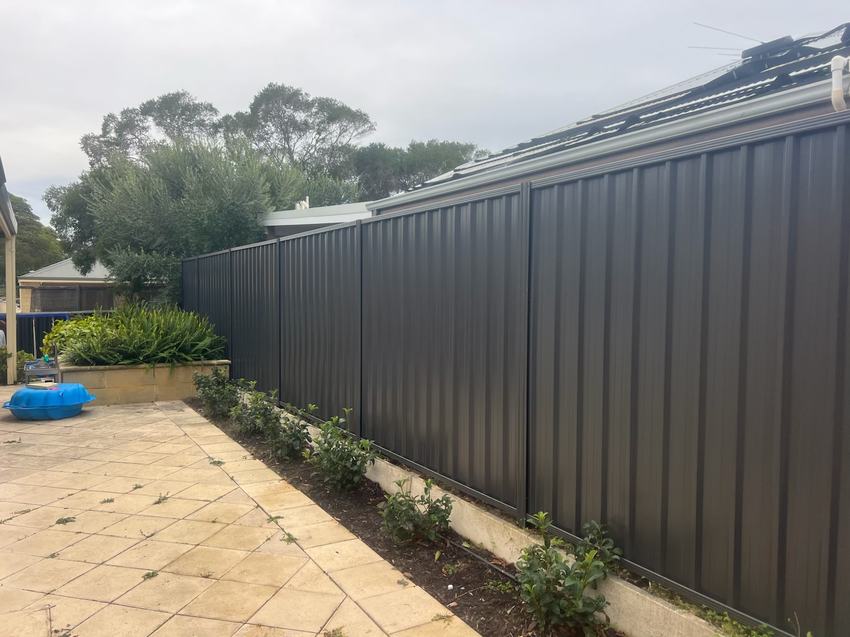
A fence usually gets chosen when something has to be fixed fast - a tired boundary, a lack of privacy, a dog that keeps testing the limits, or a frontage that drags down the look of the whole property. That is exactly where a smart Colorbond fence buyer guide helps. If you are comparing options for a home, investment property or commercial site in WA, the right choice comes down to more than colour charts and panel prices.
Colorbond fencing has become a go-to solution across Perth, Bunbury and Busselton because it suits the way many owners want to build and maintain property now. It is clean-looking, durable, low-maintenance and well suited to modern streetscapes. But not every fence layout, site condition or budget is the same, so it pays to know what you are actually buying.
What makes Colorbond fencing such a popular choice?
The appeal is straightforward. Colorbond fencing gives you privacy, security and a neat finish without the upkeep that comes with timber. It does not need repainting every few years, it will not be eaten by termites, and it suits both older homes needing an upgrade and new builds aiming for a sharper exterior.
For many WA properties, the low-maintenance side is a major selling point. Once installed properly, a Colorbond fence is designed to handle day-to-day exposure without demanding much from the owner beyond the occasional wash down. That matters if you are managing a rental, finishing a development, or simply do not want another weekend maintenance job.
It also works visually. The slim profile and consistent finish give boundaries a cleaner, more modern look than many older fencing types. If street appeal matters, that can be just as important as security.
Colorbond fence buyer guide: what to check first
Before you choose a height, profile or colour, start with the practical side of the job. The best-looking fence can still be the wrong purchase if it does not suit the site.
The first thing to check is purpose. If the priority is backyard privacy between neighbours, your ideal setup may be different from a side boundary fence for a narrow block or a perimeter solution around a commercial property. Some buyers want a straightforward replacement fence. Others want the fence to improve the appearance of the home from the street as well as secure the boundary.
Next is the condition of the site. Sloping ground, retaining walls, old footings, access restrictions and shared boundaries all affect what can be installed and how long the job will take. A flat suburban block is usually more straightforward. A site with uneven levels or difficult access may need extra planning and different installation methods.
You should also factor in local requirements. Fence height limits, boundary considerations and strata or development rules can shape what is possible. This is especially relevant when the fence sits near the front of the property or forms part of a broader building project.
Choosing the right height and layout
For most residential side and rear boundaries, buyers are usually looking for a balance between privacy and cost. A higher fence gives better screening, but it also changes the feel of the space and can increase material and installation costs.
If you have close neighbours, a standard full-height privacy fence often makes the most sense. If the fence is being used along a side passage or around a service area, the main goal may simply be durability and tidy separation. On wider lots or premium homes, some owners want the fence to tie in with gates, screens or feature sections so the whole exterior feels considered rather than pieced together.
Layout matters as much as height. Corners, returns, side access points and gate positions should be planned early. A fence is not just a line on a boundary. It affects how people move around the property, where bins are stored, how tradies access the rear, and how open or enclosed outdoor spaces feel.
Colours and style - practical and visual trade-offs
This is where many buyers focus first, but colour should be chosen with the property in mind. A dark fence can look sharp and contemporary, especially against lighter render, brick or landscaping. It can also create a stronger visual frame around the yard. Lighter tones can feel softer and may suit coastal or Hamptons-inspired homes better.
The trade-off is that appearance is not the only consideration. Some colours show dust, marks or salt spray more readily than others, which can matter in exposed areas or near the coast. In some settings, a bold colour can add value visually. In others, it can date faster than a more neutral choice.
The best result usually comes from thinking about the whole property. Roof colour, garage door, facade materials and surrounding landscape should all influence the fence colour. A boundary fence takes up a lot of visual space, so getting that match right makes a noticeable difference.
How durable is Colorbond fencing in WA conditions?
A properly selected and professionally installed Colorbond fence is built for durability, but conditions still matter. Perth and surrounding regions can bring strong sun, wind exposure, coastal air and seasonal weather shifts. That means installation quality is just as important as product choice.
Posts need to be set correctly. Panels need to be aligned and secured properly. On exposed sites, wind loads and ground conditions should never be treated as an afterthought. A cheap install can look fine on day one and still become the fence that rattles, leans or fails earlier than expected.
This is also why buyers should ask about the full system, not just the panels. The quality of rails, posts, fasteners and gate hardware all contributes to long-term performance. If you are fencing a commercial property or a high-traffic residential boundary, that detail matters even more.
Cost factors buyers often miss
When people ask what a Colorbond fence costs, the honest answer is that it depends on the site, scope and finish. The lineal metre rate is only part of the picture.
Removal of an old fence can add to the job. So can difficult access, steep gradients, extra gate openings or the need to work around retaining. On shared boundaries, timing and neighbour coordination can affect the process too. If you are comparing quotes, make sure you are comparing like for like.
A lower quote is not always better value if it leaves out disposal, site preparation, post depth, or quality hardware. A reliable fence should save you money over time through low maintenance and fewer repairs, so the cheapest upfront option is not always the strongest buy.
Is Colorbond the right option for every property?
Not always, and that is worth saying plainly. Colorbond is a strong all-rounder, but some projects call for a different look or function.
If you want a more decorative front boundary, slat fencing or a custom aluminium screen may suit the design better. If the fence surrounds a pool, pool compliance becomes the main issue rather than general boundary privacy. If the site needs a higher-security solution, a dedicated security fence may be the better fit.
That said, for standard residential side and rear boundaries, investment properties, duplexes and many commercial perimeters, Colorbond remains one of the most practical choices available. It hits the balance that most buyers want - privacy, durability, speed of installation and a modern finish.
Working with the right installer
A good product still needs the right team behind it. That means clear quoting, realistic lead times, proper site assessment and installation that suits local conditions. Fast turnaround matters, but only if the job is done properly.
This is where specialist fencing contractors tend to stand out. They can advise on whether Colorbond is the right fit, help match style and performance to the property, and spot site issues before they turn into delays. For owners who want the job handled efficiently, that experience is worth more than a basic supply-only price.
For WA property owners, local knowledge also matters. Soil conditions, coastal exposure, access constraints and council expectations can all shape the job. A provider working across Perth and surrounding regions will usually have a better read on those details than a generic operator.
The best time to buy
Most buyers wait until the old fence is failing or a build is nearing completion. That is understandable, but earlier planning usually gives you better options. If the fence is part of a renovation, landscaping project or property upgrade, choosing it sooner helps everything else line up properly.
It also gives you time to think through colour, gates, access and neighbouring boundaries instead of making a rushed decision. If your goal is to improve security, privacy and street appeal in one hit, treating fencing as part of the wider property plan nearly always leads to a better result.
A Colorbond fence is not just a boundary marker. Done well, it becomes part of how the property looks, functions and holds its value. The right choice is the one that suits your site, your priorities and the standard you expect the finished job to meet. If you are weighing up options now, a clear quote and a practical site-based recommendation will usually tell you more than any brochure ever will.