
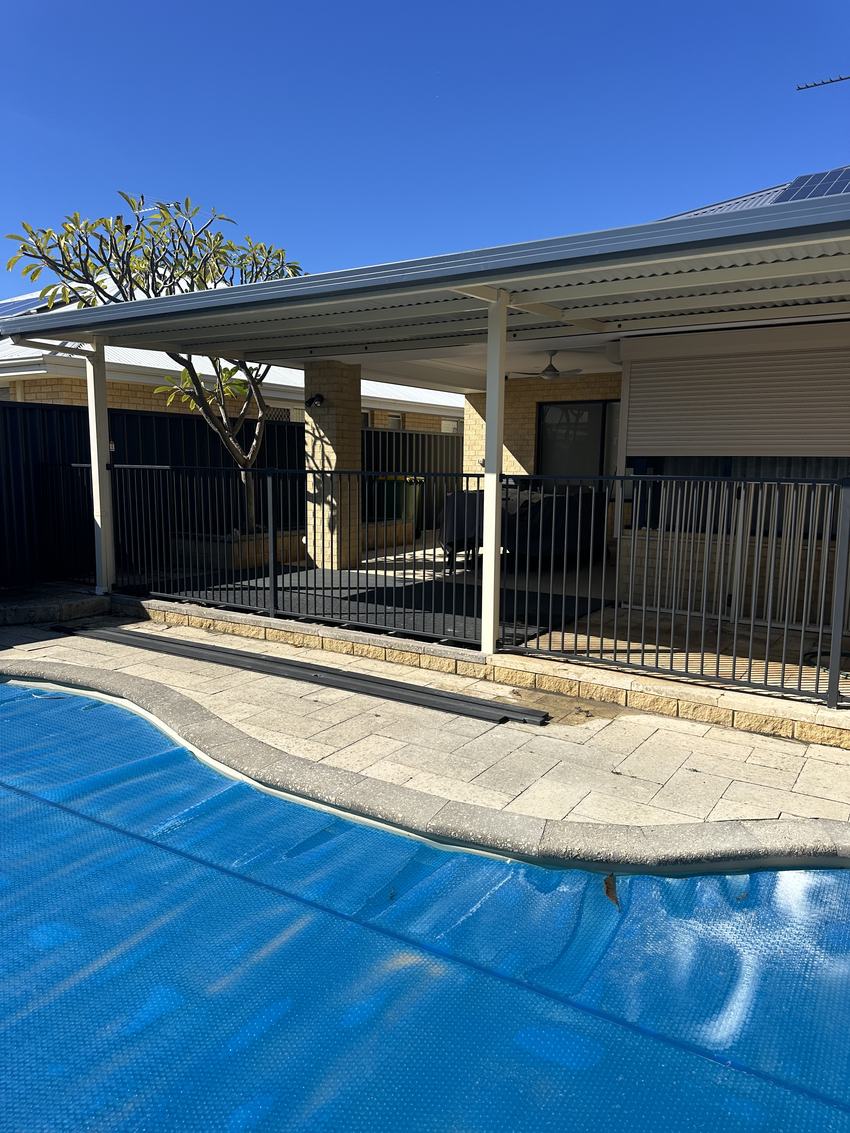
A pool fence has to do more than tick a compliance box. Around Perth, Bunbury and Busselton, it also has to handle hard sun, coastal air, busy family use and the visual pressure of sitting right in the middle of your outdoor area. That is why choosing the best pool fence materials matters. The right material gives you safety, durability and a finish that actually suits the home, instead of becoming the weak point in the backyard.
What makes a pool fence material worth choosing?
The best option is rarely just the cheapest panel on the quote. Pool fencing needs to meet safety requirements, resist corrosion, stay secure over time and keep looking sharp with minimal upkeep. If you are building new or replacing an older fence, it is worth thinking about how the material will perform five or ten years from now, not just on install day.
In WA conditions, that usually means looking closely at rust resistance, UV stability, ease of cleaning and how well the fence works with paving, landscaping and the home itself. A modern coastal build may suit one material, while an investment property or a commercial pool area may need something more practical and cost-controlled.
Best pool fence materials to consider
Frameless glass pool fencing
Frameless glass is the premium option for homeowners who want the pool area to feel open, clean and high-end. It gives you uninterrupted sightlines across the yard, which is one reason it remains popular in architect-designed homes and renovated outdoor entertaining areas.
From a practical point of view, glass makes supervision easier because there are no bulky posts or panels blocking the view. It also works well in smaller backyards, where a visually lighter fence can make the whole space feel larger.
The trade-off is maintenance and cost. Glass needs regular cleaning to keep water spots, dust and fingerprints under control, especially near the coast or around splash zones. It also sits at the higher end of the budget once hardware and installation are factored in. If the goal is a polished look and clear visibility, though, it is hard to beat.
Semi-frameless glass pool fencing
Semi-frameless glass gives you much of the same visual appeal, but with vertical posts between panels. That structure can reduce cost compared with fully frameless systems while still keeping the area open and modern.
For many properties, this is the middle ground that makes the most sense. You still get strong visibility and a premium finish, but with a little more support in the design and often a more manageable price point. It suits owners who want a clean result without going all the way to the top end of the market.
Maintenance is similar to frameless glass because the panels still need cleaning. The difference is that the framed elements slightly change the overall look. Some clients prefer that added structure, while others want the near-invisible finish of frameless.
Aluminium pool fencing
For many households, aluminium is one of the best pool fence materials because it balances cost, durability and low maintenance extremely well. Powder-coated aluminium panels are lightweight, strong and well suited to WA weather, particularly when properly specified for local conditions.
Aluminium works across a wide range of home styles. It can look simple and functional, or more refined depending on the profile, colour and gate hardware. Black remains a common choice because it sits neatly against paving and landscaping, but there are other finishes that can better match the home exterior.
The big advantage is practicality. Aluminium does not need the same level of upkeep as timber and generally avoids the rust issues associated with lower-quality steel products. It is a dependable option for family homes, rental properties and larger pool surrounds where budget and durability both matter.
Steel pool fencing
Steel can be a solid choice where extra strength is a priority, but it needs the right protective finish and ongoing attention. In some settings, particularly away from harsh coastal exposure, steel fencing performs well and provides a secure, traditional pool barrier.
That said, steel is less forgiving than aluminium when it comes to corrosion. If the coating is damaged or the wrong product is chosen for the site, rust can become a long-term issue. This does not mean steel should be ruled out, but it does mean the specification and installation quality matter a great deal.
For commercial or high-use settings, steel may still have a place. For many residential projects, aluminium often delivers a better long-term maintenance outcome.
PVC pool fencing
PVC appeals to owners who want a low-maintenance fence with a neat, consistent look. It resists rot, does not need painting and can suit homes aiming for a more decorative or Hamptons-style finish around the outdoor area.
The question with PVC is whether the look suits the property and whether the product quality is strong enough for local sun exposure. Good-quality PVC fencing can perform well, but cheaper products may become brittle or discoloured over time. That makes supplier quality especially important.
PVC is usually chosen more for appearance and ease of care than for a slim, modern visual line. If your pool area leans more classic than contemporary, it can be a good fit.
Timber pool fencing
Timber brings warmth that metal and glass cannot replicate. Around gardens or natural landscapes, it can soften the pool area and help it feel more integrated with the rest of the backyard. Certain homes suit timber beautifully, especially where the design is relaxed, established or coastal in a more rustic sense.
The downside is maintenance. Timber needs regular sealing, staining or painting, and it will move and weather over time. Around pools, that exposure is constant. Water, sun and ground moisture all put pressure on the material, which means more upkeep than most owners expect.
Timber can still be the right design choice, but it is rarely the lowest-effort option. If low maintenance is high on your list, other materials will generally outperform it.
How to choose the best pool fence materials for your property
The best material depends on what matters most at your property. If the pool area is a feature space and you want maximum visual impact, glass is often the standout. If you want a durable, reliable fence that looks modern and stays low-maintenance, aluminium is hard to go past.
Budget is part of the decision, but so is how you use the space. A family pool with regular traffic, kids, pets and pool toys being dragged through gates every weekend needs a fence that stays dependable without constant attention. An investment property usually benefits from something durable and straightforward to maintain between tenants. A premium new build may justify spending more on a fence that lifts the entire outdoor finish.
It is also worth thinking about location. Coastal suburbs place more pressure on materials and fixings than inland sites. The right product for a sheltered suburban block may not be the best fit a few streets from the beach.
Style matters, but safety comes first
A good-looking fence is not enough if the layout, gate function or installation is wrong. Pool fencing must meet relevant safety standards, and that includes details such as gate swing, latch position, gaps and climbable zones around the barrier.
That is one reason material choice should never be separated from proper design and installation. A quality aluminium or glass system installed correctly will outperform a more expensive product fitted poorly. The fence needs to work as a complete system, not just a set of attractive panels.
For that reason, many owners prefer working with a specialist rather than trying to piece the job together through mixed suppliers and contractors. Perth Fence Pro sees this regularly - the best result usually comes from matching the right material to the site, the home style and the way the pool area is actually used.
So which material comes out on top?
If you want the clearest overall answer, aluminium and glass are usually the front-runners. Aluminium is often the best all-rounder for WA homes because it is durable, low-maintenance, versatile and cost-effective. Glass is the premium choice when visual openness and design impact are the priority.
PVC can work well in the right style setting, while timber suits owners willing to trade maintenance for warmth and character. Steel still has its place, but it needs careful specification in harsh environments.
The smartest choice is the one that fits your budget, your maintenance expectations and the way you want the pool area to feel every day. A pool fence is there for safety first, but when the material is chosen well, it also adds real value to the property and makes the whole outdoor space feel more finished.
If you are weighing up options, focus on how the fence will perform in WA conditions, not just how it looks in a brochure. That is usually where the right decision becomes a lot clearer.