
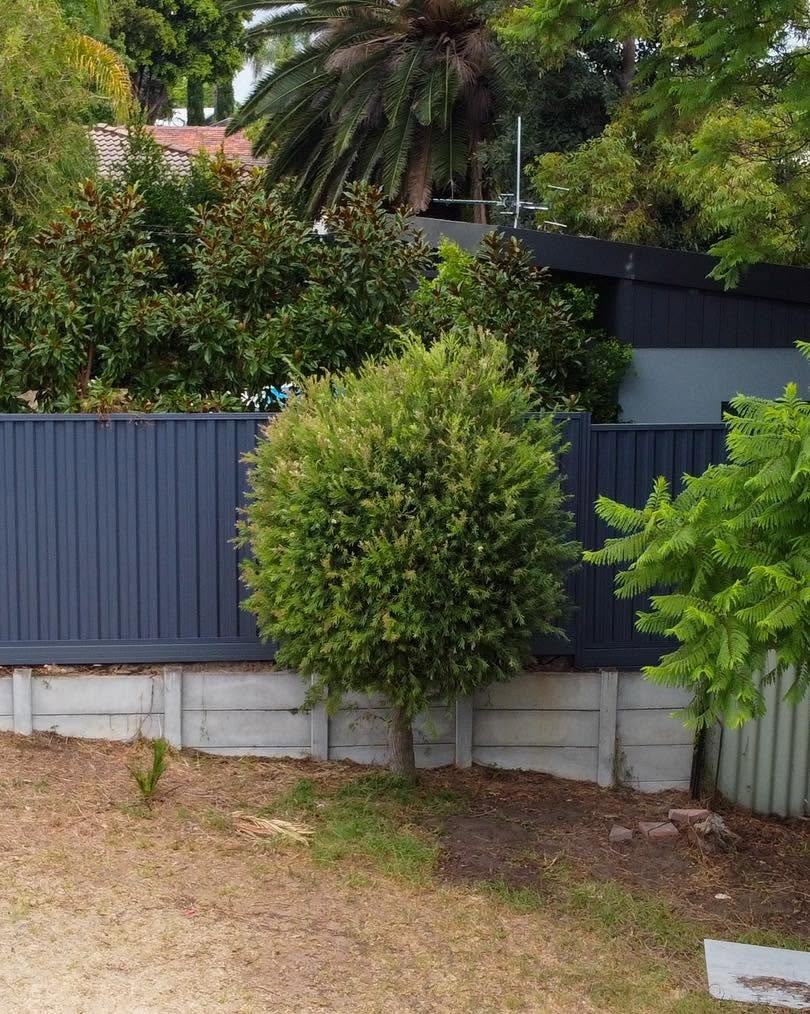
If you have ever spent a summer weekend repainting timber palings or replacing warped panels after a run of hot weather, you already know why low maintenance fencing options matter. In Perth and across WA, fences do more than mark a boundary. They need to handle harsh sun, coastal air, wind, and day-to-day wear while still looking sharp from the street.
The right fence should save you time, hold its finish, and suit the way your property is used. For some owners, that means stronger privacy between neighbours. For others, it means a modern front fence that lifts street appeal without adding another maintenance job to the list. The best choice depends on your budget, your block, and how much upkeep you are willing to do over the years.
What makes a fence low maintenance?
A low-maintenance fence is not just one that looks good on installation day. It is a fence that keeps performing with minimal repainting, sealing, repair work, or part replacement. Materials matter, but so does the design, the finish, and the quality of the installation.
In WA conditions, low maintenance usually comes down to a few practical things. The material should resist rust, rot, fading, and insect damage. It should be easy to clean with a hose or occasional wash. It also needs to stay structurally sound in heat and wind, because a fence that constantly needs straightening or patching is not low maintenance at all.
That is why many property owners now look beyond traditional timber and choose steel, PVC, aluminium, or glass depending on the setting.
Low maintenance fencing options worth considering
Colorbond fencing
Colorbond remains one of the most popular low maintenance fencing options for Perth homes, investment properties, and commercial sites. It is designed for Australian conditions and gives you a clean, modern finish without the ongoing work that timber often brings.
Because it is made from pre-painted steel, Colorbond does not need regular painting or staining. It will not rot, and it is not vulnerable to termites. A basic wash now and then is usually enough to keep it looking presentable. For side and rear boundaries, it also delivers strong privacy and a neat, uniform appearance.
The trade-off is that Colorbond is more functional than decorative in some settings, although modern colours have made it much more versatile. It also needs correct installation to perform well in windy areas. When posts, rails, and sheets are set properly, it is one of the most reliable long-term options available.
PVC fencing
PVC fencing suits owners who want a crisp finish with very little upkeep. It is especially popular for Hamptons-style homes, front boundaries, and feature fencing where appearance matters just as much as performance.
Unlike painted timber, PVC does not need sanding, repainting, or sealing. It resists moisture, does not rot, and is easy to clean. For busy households or rental properties, that can be a major advantage. It keeps a tidy look without demanding much attention.
PVC is not the right fit for every job, though. It can be less suited to high-impact areas where heavy knocks are likely, and style preference plays a big role. Some owners want the look of traditional timber, while others prefer the sharper finish PVC provides. Used in the right setting, it is a practical and attractive low-maintenance choice.
Aluminium slat fencing and screening
Aluminium slat fencing has become a strong option for modern homes because it balances privacy, airflow, and street appeal. It works well for front fencing, boundary screening, and gates, especially where owners want a contemporary finish that does not feel bulky.
Aluminium does not rust like untreated steel and generally requires very little upkeep. Powder-coated finishes hold up well, and cleaning is straightforward. That makes it a smart choice for coastal areas and properties exposed to sun and sea air.
Another advantage is flexibility in design. Slat spacing can be adjusted to create more privacy or a lighter visual look. The main consideration is cost, as aluminium slat systems can sit higher than basic boundary fencing. Still, many owners see that as a worthwhile trade for longevity and visual impact.
Pool fencing in aluminium or glass
Pool areas need fencing that is safe, compliant, and easy to keep clean. In most cases, aluminium or glass are the best low maintenance materials for this part of the property.
Aluminium pool fencing is durable, rust-resistant, and simple to maintain. It offers a secure barrier without feeling too heavy around outdoor spaces. Powder-coated finishes help it stand up well in the weather, which is a big plus for backyards that get plenty of sun.
Glass pool fencing creates a more open look and helps preserve views. It suits modern homes and premium outdoor areas, but it does need more regular cleaning than aluminium because fingerprints, water spots, and dust show up quickly. Structurally, it is still low maintenance. Visually, it asks for a bit more attention.
Security fencing
For commercial sites, strata properties, and homes with a stronger security focus, low maintenance often means choosing materials that can handle constant exposure and stay dependable without frequent repairs. Aluminium and steel security fencing are common choices here.
These systems are built for strength first, but they can also deliver a clean, professional look. Powder-coated and pre-finished products reduce the need for repainting, while sturdy construction limits ongoing maintenance issues. If the goal is access control, asset protection, or perimeter definition, security fencing can give you long-term value with minimal upkeep.
Why timber often falls short on maintenance
Timber still has visual appeal, and for some homes it can suit the style perfectly. But if your main priority is reducing upkeep, it usually is not the frontrunner. Even treated timber needs regular staining, painting, or sealing to protect it from moisture and sun exposure. Boards can warp, split, or loosen over time, and termites remain a risk in some locations.
That does not mean timber should always be ruled out. It just means the real cost includes your time and future maintenance, not only the initial install price. A cheaper fence at the start can become the more expensive option once repairs and refinishing are factored in.
Choosing the right low maintenance fence for your property
The best fence is rarely about one feature alone. Privacy, appearance, security, and budget all need to line up.
If you want a dependable boundary fence with strong privacy and minimal upkeep, Colorbond is hard to beat. If your focus is a decorative front fence with a crisp finish, PVC may be the better fit. If modern design matters most, aluminium slats offer a strong mix of style and practicality. Around pools, aluminium is often the easier-care option, while glass suits owners willing to do a little extra cleaning for a premium look.
It also helps to think about location. Coastal properties need materials that handle salt air well. Rental properties benefit from durable, easy-clean products that reduce future maintenance calls. Commercial sites usually need a fence that prioritises security and long service life.
Good installation matters just as much as material choice. Even the best product can underperform if posts are poorly set, gates are misaligned, or the wrong hardware is used. That is why working with a contractor who understands local conditions, product suitability, and clean installation standards makes a real difference.
A smarter long-term investment
Low-maintenance fencing is not about avoiding every bit of upkeep forever. It is about choosing a fence that works hard without asking much back. For most Perth property owners, that means selecting materials built for local conditions and a style that still suits the home or site years from now.
If you are weighing up low maintenance fencing options, start by thinking beyond the upfront price. The better question is which fence will still look good, stay secure, and save you time five or ten years from now. That is usually where the best value sits.