
A fence on a Perth block does more than mark a boundary. It deals with hard summer sun, salty coastal air, winter rain, reticulation overspray and the occasional knocked bin or football. So, which fence lasts longest? For most Perth homes and commercial sites, a properly installed steel, aluminium or PVC fence will outlast timber by a considerable margin. The right choice, however, comes down to your location, the level of privacy or security you need, and how much maintenance you are willing to take on.
Which fence lasts longest for Perth properties?
Colorbond steel fencing is usually the strongest all-round answer for long-term boundary fencing in Perth. It is engineered for Australian conditions, does not rot or attract termites, and gives homes reliable privacy with very little upkeep. Quality aluminium fencing is also exceptionally long-lasting, particularly around pools, coastal properties and modern screening designs.
PVC fencing is another excellent low-maintenance option. It will not rust, rot, splinter or need painting, which makes it appealing for front fences and family homes where a clean finish matters. Timber can still be a good-looking, cost-effective choice, but it requires more attention over its life and is less forgiving of moisture, insects and prolonged sun exposure.
Longevity is not just about the panel material. Posts, footings, gates, drainage and installation quality all have a direct effect on how long a fence performs. A premium panel fixed to poorly set posts will not deliver premium service.
How long common fencing materials can last
Colorbond fencing: the dependable long-term choice
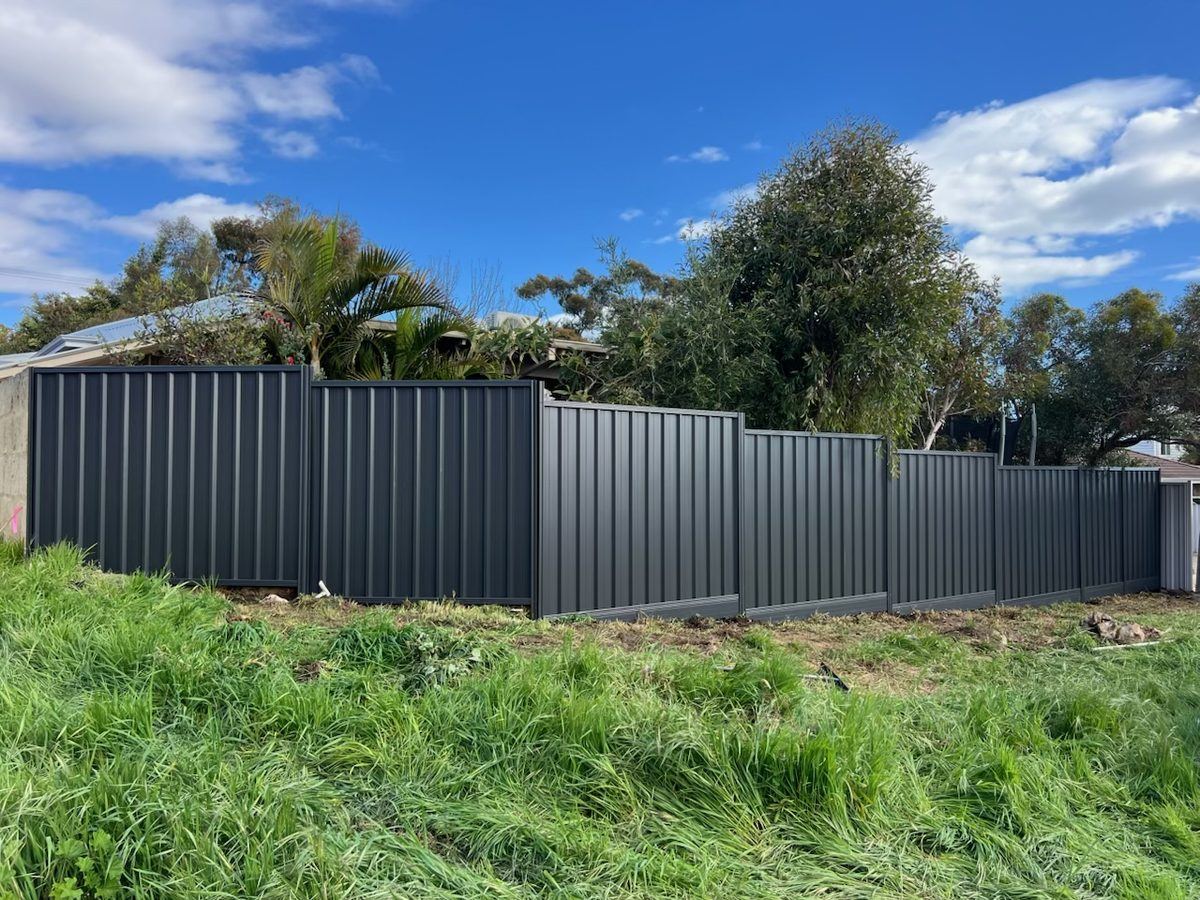
Colorbond fencing is made from pre-painted steel with a protective metallic coating. It is designed to resist corrosion and withstand Australia’s demanding climate, making it a practical choice for side and rear boundaries, rental properties, commercial sites and busy family homes.
With professional installation and basic care, Colorbond fencing can commonly provide 20 to 30 years or more of service. Its lifespan can vary by exposure level, especially near the coast, but it remains one of the most durable privacy fencing options available.
The practical benefits are clear. Colorbond does not need staining, it is termite-proof, and it provides full-height privacy without gaps. A quick wash to remove dirt, salt deposits and cobwebs is usually all that is needed. It also comes in a broad range of colours, allowing the fence to work with your roof, façade and landscaping rather than look like an afterthought.
For Perth conditions, the key is selecting an appropriate product and finish for the site. Coastal properties need careful consideration because airborne salt can accelerate corrosion. Correct post setting, good drainage and avoiding constant contact with damp soil or garden mulch help protect the fence over time.
Aluminium fencing: excellent against rust and corrosion
Aluminium fencing is one of the longest-lasting materials where moisture and corrosion are concerns. Unlike steel, aluminium does not rust. Powder-coated aluminium panels and slats are particularly well suited to pool fencing, coastal homes, front boundaries and architectural privacy screens.
A quality aluminium fence can last for decades, often 30 years or longer, without the maintenance demands of timber. It is lightweight but strong, and its clean, contemporary lines make it a popular option for properties that want better street appeal as well as security.
Aluminium is not always the best value for a full privacy boundary. Slat fencing can provide excellent screening, but the price may be higher than a standard Colorbond installation, particularly across a large block. It also does not offer the same solid acoustic barrier as a full-panel steel fence. For a pool area, courtyard, front feature fence or coastal screen, though, its long service life is hard to beat.
PVC fencing: low maintenance with a classic finish
PVC fencing has become a strong alternative for homeowners wanting the look of painted timber without the regular sanding, painting and repairs. It will not rot, rust, splinter or become termite damage, making it a sound option for Perth households that want a neat, low-maintenance boundary.
A well-made PVC fence can last 20 to 30 years or more. The material handles moisture well and is easy to clean, although it can collect dust and may need an occasional wash to keep its bright finish looking fresh. Modern products are designed with UV resistance, but quality matters. Lower-grade PVC can become brittle, fade or warp sooner under intense WA sun.
PVC is often chosen for Hamptons-style front fencing, garden boundaries and family-friendly spaces. It is less suited to high-security applications or locations exposed to heavy impact unless the supporting framework is designed for that purpose. Gates also need appropriate reinforcement so they remain square and easy to operate over time.
Timber fencing: natural appeal, higher upkeep
Timber remains a familiar choice across Perth because it is versatile, easy to customise and suits established gardens. Treated pine paling fences are generally economical at the start, while hardwood can offer a more premium natural look.
The trade-off is maintenance and lifespan. A treated timber fence may last around 10 to 20 years, sometimes longer when it is well built, well drained and regularly maintained. But sun, rain, termites, fungal decay and ground moisture can all shorten its life. Palings can shrink, warp or split, while posts are vulnerable where they meet the soil.
Timber is still a sensible option when a natural finish is central to the design or when repairs need to be made in stages. Just allow for staining, sealing or painting, inspections for damaged boards, and eventual replacement of individual components. It is rarely the answer for owners who want the longest possible lifespan with minimal maintenance.
The site conditions that change the answer
The longest-lasting fence for a home in Ellenbrook may not be the best choice for a property near the beach in Bunbury or Busselton. Salt-laden air, wind exposure and sand can be tough on metals and coatings. In these areas, aluminium is especially attractive, while Colorbond must be selected and installed with coastal exposure in mind.
Retaining walls also need careful planning. A fence should not simply be treated as an add-on to unstable ground or a deteriorating wall. Movement below the fence can cause panels to lean, gates to bind and posts to loosen, regardless of the material above ground.
Homes with automatic sprinklers should keep regular overspray off fencing where possible. Water carrying bore minerals, fertiliser or salt can leave deposits and affect finishes over time. Good drainage matters too. Constantly wet soil around timber posts is a common reason fences fail earlier than expected.
Installation quality matters as much as material
A long-lasting fence begins below ground. Posts need to be correctly spaced, set to the right depth and secured in suitable footings for the soil, wind load and fence height. Panels should be level, gates should be aligned and hardware should be selected for frequent use.
This is particularly important for security fencing and gates. A durable fence with weak hinges, undersized posts or poor access planning quickly becomes a maintenance problem. Commercial properties may also need a higher level of structural strength, controlled access and clear separation between public and private areas.
At Perth Fence Pro, the aim is to match the fence system to the site rather than push every property into the same product. A Colorbond boundary fence, aluminium pool enclosure, PVC front fence or slat screen each performs best when it is designed around the property’s exposure, layout and day-to-day use.
Getting the most years from your fence
Even the lowest-maintenance fence benefits from simple care. Wash Colorbond, aluminium and PVC surfaces periodically, particularly in coastal locations, to remove dust and salt. Keep garden beds and mulch from building up against the bottom of the fence, and avoid leaning heavy items against panels.
Check gates once or twice a year. Tighten loose fittings, clear debris from tracks and address dragging or sticking before it places extra strain on posts and hinges. For timber, inspect for cracked palings, rot, pest activity and peeling protective coatings before small issues become a full fence replacement.
If your priority is decades of privacy with very little work, Colorbond remains the practical Perth favourite. If corrosion resistance and a refined modern finish lead the brief, aluminium deserves serious consideration. The best fence is the one that suits your site, looks right from the street and is installed to stay straight, secure and reliable for years to come.