
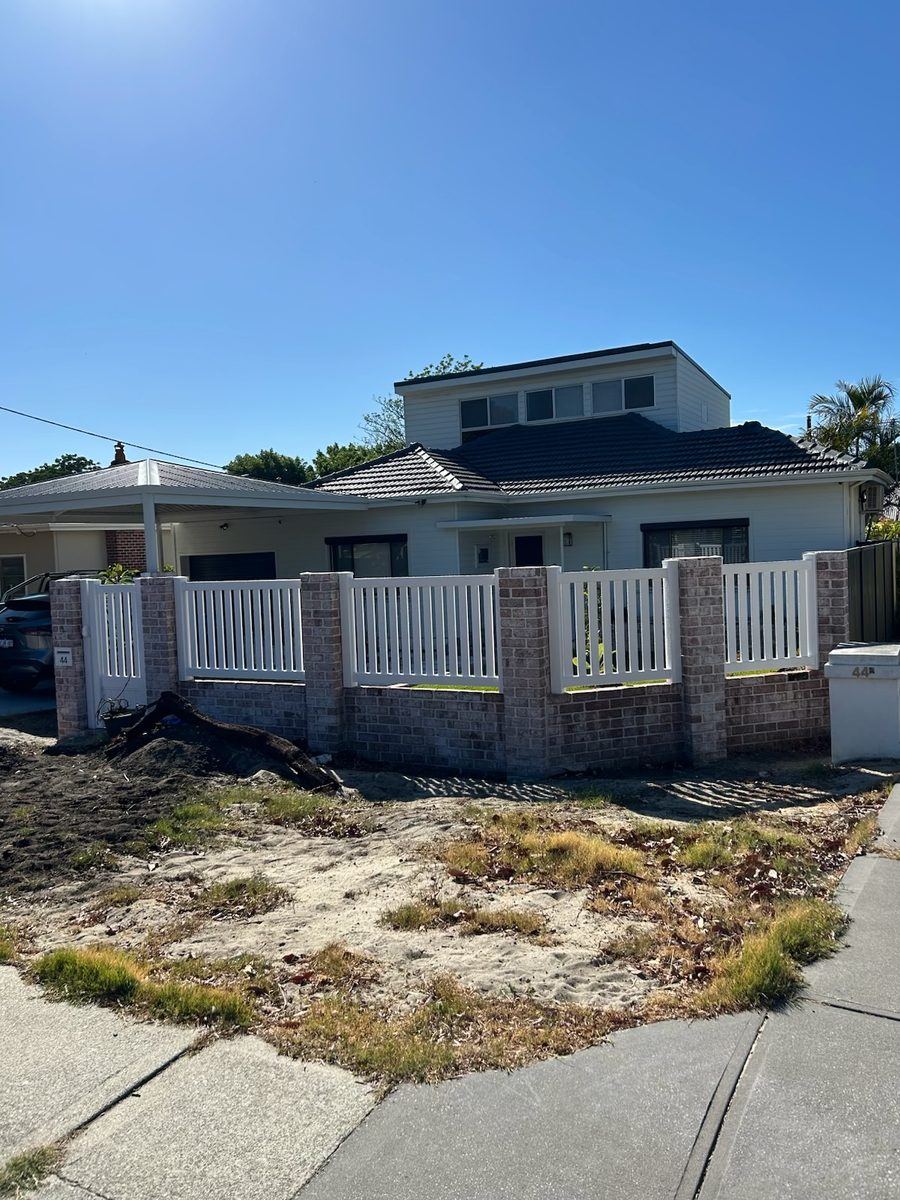
A corner block gives your home more street presence, but it also puts more of your outdoor life on display. A well-planned privacy fence for corner blocks can shield the patio, pool and living areas from passing traffic while giving the property a clean, finished boundary. The key is getting privacy without creating a bulky frontage, blocking sightlines or causing avoidable approval issues.
Corner sites need a different approach from a standard side-by-side suburban lot. There are two street-facing boundaries to consider, more pedestrians and vehicles passing by, and often a greater need to balance security with street appeal. The best result is rarely one fence style repeated around every edge. It is a considered combination of compliant front treatment, taller private screening where it is allowed, and gates that make access practical.
Start with sightlines, not fence height
The first decision is where a high privacy fence can safely and legally sit. On a corner block, the intersection and driveway area may be subject to visibility requirements. These are designed to ensure drivers, cyclists and pedestrians can see each other clearly when entering or leaving the street.
That does not mean the whole boundary must remain open. It means the fence layout needs to account for the corner, vehicle crossover and any required sight triangle. Local council rules, estate guidelines and planning requirements vary, so check the applicable rules before materials are ordered or posts are set.
A practical layout often keeps the most visible corner section lower or more open, then increases privacy once the fence moves beyond the sightline zone. This can be achieved through stepped fence heights, slat screening, perforated panels or carefully placed landscaping. The goal is to make the fence look intentional from the street rather than like a solid wall has been dropped around the site.
Put privacy where you use it most
A corner property does not always need a tall solid fence along both streets. Start by identifying the spaces you actually want to protect from view. For most homeowners, that is the alfresco, pool zone, lawn, bedroom windows or a side courtyard rather than every metre of boundary.
A solid panel fence is highly effective beside a patio or private garden, particularly where the road is busy or neighbouring homes sit close by. In a more exposed frontage, horizontal aluminium slats can provide a strong visual screen while allowing airflow and a lighter appearance. Perforated screening offers another middle ground, softening direct views without closing off the property completely.
This targeted approach can reduce cost, avoid an overly enclosed feel and create a better streetscape. It also gives your home a stronger design outcome: open enough at the front to feel welcoming, private where it counts, and secure all the way around.
Choose materials for Perth conditions and daily maintenance
The right material for a privacy fence on a corner block depends on the level of exposure, the home’s style and how much upkeep you want to take on. Street-facing fencing works hard. It deals with sun, wind, road dust, sprinkler overspray and the occasional knock from bins, bikes or garden equipment.
Colorbond fencing for reliable full privacy
Colorbond fencing remains a practical choice for side and rear boundaries because it is durable, low-maintenance and provides complete visual cover. It suits modern homes, investment properties and commercial sites where privacy and security are the main priority.
On a corner lot, Colorbond can work particularly well along the less prominent street boundary or behind a more decorative front treatment. Select a colour that ties in with the roof, guttering or garage door for a more cohesive finish. Good post spacing, proper footings and tidy returns around gates make a major difference to how the installation performs over time.
Aluminium slats for a lighter street-facing finish
Aluminium slat fencing is a strong option when you want privacy with a more architectural look. The gap and angle between slats can be selected to manage views and airflow, while the horizontal lines suit many contemporary Perth homes.
Slats are especially useful where a solid fence would feel too heavy. They can be used as a feature along the street boundary, above a masonry base, or as screening around an outdoor area. Bear in mind that wider gaps improve ventilation and let more light through, but they also reduce privacy at certain viewing angles. A site inspection helps establish the right balance.
PVC fencing for a crisp, low-maintenance boundary
PVC fencing suits owners who want a clean, traditional profile without regular painting. It can bring a Hamptons-inspired look to a corner frontage and is well suited to homes where street appeal is just as important as boundary definition.
The design and height still need to suit local requirements, particularly near a road intersection. Used in the right location, PVC can create a polished perimeter that remains easy to maintain through Perth’s dry summers and wet winter periods.
Perforated panels for privacy with personality
Premium perforated fencing is ideal for feature areas where you want a distinct design rather than a plain solid barrier. It filters views, casts interesting shadows and can complement modern façades, rendered walls and landscaped entries.
Because the degree of screening depends on the pattern and lighting, it is worth viewing samples in person. A panel that looks opaque from the street during the day may allow more visibility at night when interior or garden lighting is on.
Design the fence as part of the whole frontage
A privacy fence should support the home, not compete with it. On a corner block, this is particularly important because the fence becomes a major visual element from two directions.
Match colours and finishes to existing exterior details where possible. Darker fencing can recede visually and make planting stand out, while lighter colours can suit coastal or Hamptons-style homes. A rendered pier, letterbox, feature gate or narrow landscaped strip can break up a long boundary and make the frontage feel more considered.
Planting also has a useful role, but it should not be the only privacy strategy. Hedges take time to grow, need water and trimming, and can create visibility problems if they spill into a required sightline area. Use greenery to soften a secure fence, screen selected views and add shade, not as a substitute for a properly designed boundary.
Gates matter more on a corner site
Corner blocks often have valuable side access. Whether it is used for a trailer, boat, caravan, mower or trade access, the gate needs to be planned with the same care as the fence panels.
Consider where vehicles will turn, how wide the opening needs to be and whether a single swing gate, double gate or sliding gate best suits the available space. A gate that opens into a narrow side path may look fine on a plan but be inconvenient every week. If the gate faces a street, secure latches, durable hinges and a finish that matches the fence are essential.
For properties with a pool, gate placement and hardware must also comply with pool barrier requirements. Pool fencing is a specialised safety element, so it should never be treated as an afterthought to a general privacy fence.
Build for wind, levels and long boundary runs
Perth weather can place real pressure on fencing, especially on exposed corner lots. Long, solid fence runs catch wind, and a poorly installed post can move over time. Strong footings, suitable post sections and correct installation methods are what keep a privacy fence straight and stable.
Sloping ground creates another design choice. A fence can follow the grade, step down in sections or combine both approaches. Following the slope may suit gradual changes in level, while stepped panels often give a neater finish on a sharper fall. The right method depends on the fence style, drainage and the visual outcome you want from the street.
Do not overlook drainage around the boundary either. Soil levels, retaining walls and irrigation should be reviewed before installation. Water collecting at posts or running under a fence can affect neighbouring properties and shorten the life of surrounding landscaping.
A practical plan before installation
Before committing to a design, walk the boundary at different times of day. Stand in the alfresco, driveway and main rooms, then look back from both streets. This quickly reveals where privacy is genuinely needed, where traffic can see in, and where a lower or more open section will protect safety and street appeal.
Take note of underground services, retaining walls, trees, existing structures and gate access. If you are replacing an old fence, confirm the boundary position rather than assuming the existing line is correct. Small errors on a corner site can become expensive once a long run of fencing has been installed.
A professional measure and quote can turn these observations into a clear plan covering materials, heights, gates, finishes and installation timing. Perth Fence Pro can help property owners across Perth and surrounding WA areas select a durable solution that suits the site rather than forcing a standard fence design onto an unusual block.
The best corner-block fence is one that gives you a private outdoor space, a secure boundary and a frontage you are happy to come home to. Plan it around sightlines and real daily use, then choose materials and detailing that will still look sharp years from now.