
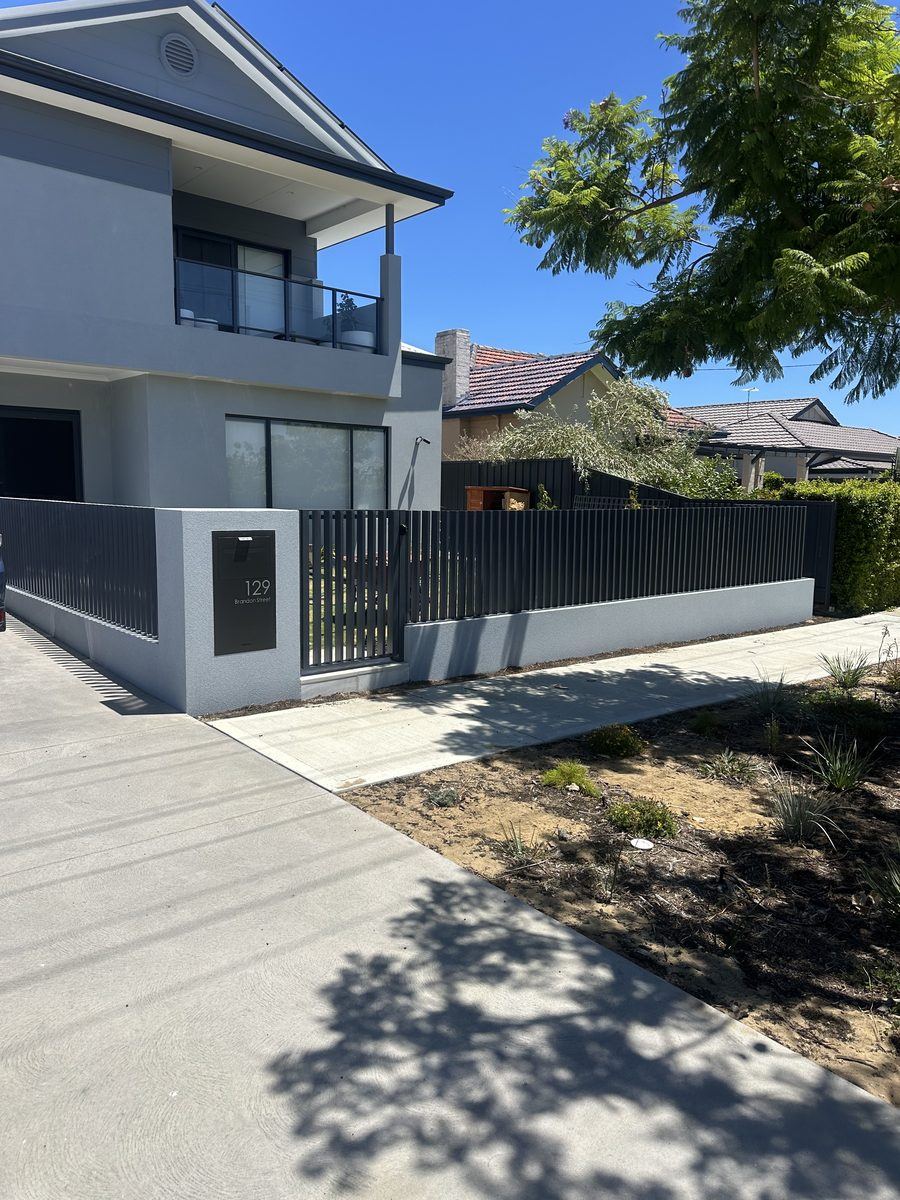
A security fence has one job before any other: make it harder for unwanted people to enter your property while giving owners, tenants and visitors confidence at the boundary. The top security fence features do this through more than extra height. They combine strong materials, considered layout, reliable gates and installation that suits the conditions on site.
For Perth homes, commercial premises, strata developments and rural properties, the right solution depends on what needs protecting. A front boundary may need privacy without making the home feel closed in. A warehouse may need controlled vehicle access and anti-climb protection. The best result comes from matching the fence system to the real risks, the property layout and the finish you want to live with.
Start with the level of protection you need
Not every property needs the same security fence. A standard side boundary fence can improve privacy and define a lot, but a property with exposed access points, valuable equipment or frequent public traffic may need a more purpose-built system.
Think about how someone could reach the property. Is there an easy path along a side setback? Can a person climb over a low fence from a footpath? Is a rear boundary hidden by vegetation or adjoining vacant land? These details influence the ideal fence height, panel style, gate position and whether anti-climb measures are worth including.
For residential properties, security often means a secure perimeter that still looks appropriate beside the home. Colourbond fencing, aluminium slats and perforated panels can provide privacy and a clean modern finish. Commercial sites generally benefit from heavier-duty steel fencing, weldmesh panels or tubular systems designed to discourage climbing and resist forced entry.
Top security fence features that make a difference
Height that suits the site and local requirements
Fence height is one of the clearest deterrents. A taller fence takes more effort to climb, reduces visibility into the property and makes the boundary feel more defined. It is not always a matter of choosing the tallest option available, though.
Front fencing, corner blocks, pool barriers and developments can be subject to council rules, planning conditions and visibility requirements near driveways. A professional site measure helps identify a height that improves protection without creating approval issues or blocking safe sightlines when vehicles leave the property.
Anti-climb design
A fence should not give someone an easy foothold. Horizontal rails, widely spaced bars and nearby structures can all make climbing easier when poorly positioned. Security fencing is often designed with vertical elements, closely configured mesh or smooth panel surfaces that are more difficult to scale.
Tubular security fencing can be fitted with spear tops where suitable, while anti-climb weldmesh uses a tight grid that limits hand and foot holds. These systems are particularly useful around commercial yards, schools, service areas, storage compounds and strata common areas. For a home, smooth Colourbond sheets or carefully designed aluminium screening can offer a less aggressive look while still removing convenient climbing points.
Strong, low-maintenance materials
Material quality matters because a security fence is exposed to sun, rain, wind, knocks and regular use. In WA, fencing also needs to suit local conditions, including coastal air in areas around Busselton and Bunbury, hot summers and strong weather events.
Powder-coated steel and aluminium are popular choices because they are durable and relatively low-maintenance. Colourbond fencing provides solid, private panels with a tidy finish and no gaps to look through. Aluminium security fencing is lightweight, corrosion-resistant and well suited to gates and modern front boundaries. Steel weldmesh and tubular fencing offer higher-impact protection where strength and visibility are both required.
PVC fencing can also work well where privacy and low maintenance are the priority, although it is not usually the first choice for high-security commercial applications. The right material is not simply the toughest one. It is the one that offers the required performance, appearance and lifespan for the location.
Posts and footings built for real loads
A strong-looking panel is only as secure as the posts holding it up. Posts must be correctly spaced, deep enough and set in suitable footings to withstand wind pressure, gate movement and impact over time. This becomes even more important with tall solid fencing, which catches far more wind than open-style mesh or tubular fencing.
Poor installation can lead to leaning posts, rattling panels, sagging gates and gaps under the fence. Those issues affect street appeal, but they can also create an access point. Professional installation focuses on accurate levels, secure fixings and foundations appropriate for the soil, fence style and exposure of the site.
Secure gates and dependable hardware
The gate is often the most vulnerable part of a perimeter. A high-quality security fence will not perform as intended if its gate can be lifted off, forced open or left unsecured.
Choose gates with sturdy frames, quality hinges, correctly aligned latches and locks suited to how the property is used. Pedestrian gates may need key-lockable access, self-closing hardware or an intercom system. Driveway gates can be manual, sliding or automated, depending on available space and traffic requirements.
For commercial sites, access control may include keypad entry, remote controls, swipe access or vehicle sensors. For homes, a well-built front gate can provide practical privacy and a more welcoming entry while keeping children, pets and unwanted visitors out. The key is making daily access easy for authorised users without compromising the boundary.
Limited gaps at the ground and fence edges
Small gaps can create bigger problems than many owners expect. A gap below a boundary fence may allow pets to escape, rubbish to blow through or someone to gain a view into the yard. Gaps beside gates and between fence lines can also become weak points.
Ground levels should be assessed before installation, especially on sloping blocks. Stepped panels, raked fencing or retaining solutions may be needed to follow the site while keeping the perimeter secure. This is one reason a custom measure is preferable to selecting an off-the-shelf fence based on a rough length alone.
Clear sightlines where surveillance matters
Privacy is valuable, but complete visual screening is not always the best option. Around commercial premises, car parks and shared entries, open-style security fencing can allow staff, cameras and passers-by to see activity at the boundary. This can discourage trespassing and makes it easier to identify problems quickly.
Weldmesh and tubular fencing are effective where visibility is a benefit. In contrast, solid Colourbond panels and slat screening are often better for residential side and rear boundaries where privacy is the main concern. Some properties use both: solid fencing around private outdoor areas and open security fencing at higher-risk access points.
Design still matters on a secure boundary
Security fencing does not need to make a property look like a fortress. Modern fence options allow owners to build a safer boundary that complements the architecture of the home or development. Aluminium slat screening can add a contemporary finish, while perforated panels provide pattern, airflow and controlled visibility. Hamptons-style fencing can suit street-facing boundaries where presentation matters, provided the design and gate hardware still deliver the necessary protection.
Colour choice also has a practical role. Darker finishes can make fencing recede into landscaping, while lighter colours may suit coastal or contemporary homes. Matching gates, letterboxes and screening creates a more intentional result and can improve street appeal without treating security as an afterthought.
Installation details that should not be overlooked
The most effective security fence is planned as a complete system. Before work begins, confirm boundary lines, check for underground services, assess slopes and identify where gates will swing or slide. Existing trees, retaining walls, stormwater paths and driveway gradients can all affect the design.
It is also worth considering future needs. A commercial property may later require an automated sliding gate. A family home may add a pool, a shed or a wider vehicle access point. Allowing for these changes early can avoid costly alterations later.
At Perth Fence Pro, every fencing project is approached around the property rather than a one-size-fits-all product. The aim is a durable boundary that looks right, works reliably and gives you the level of protection your site genuinely needs.
A secure fence is most effective when it is difficult to climb, difficult to force, simple for authorised people to use and built to stay that way. Start with the access points that concern you most, then choose materials and features that turn the boundary into a practical, lasting line of defence.