
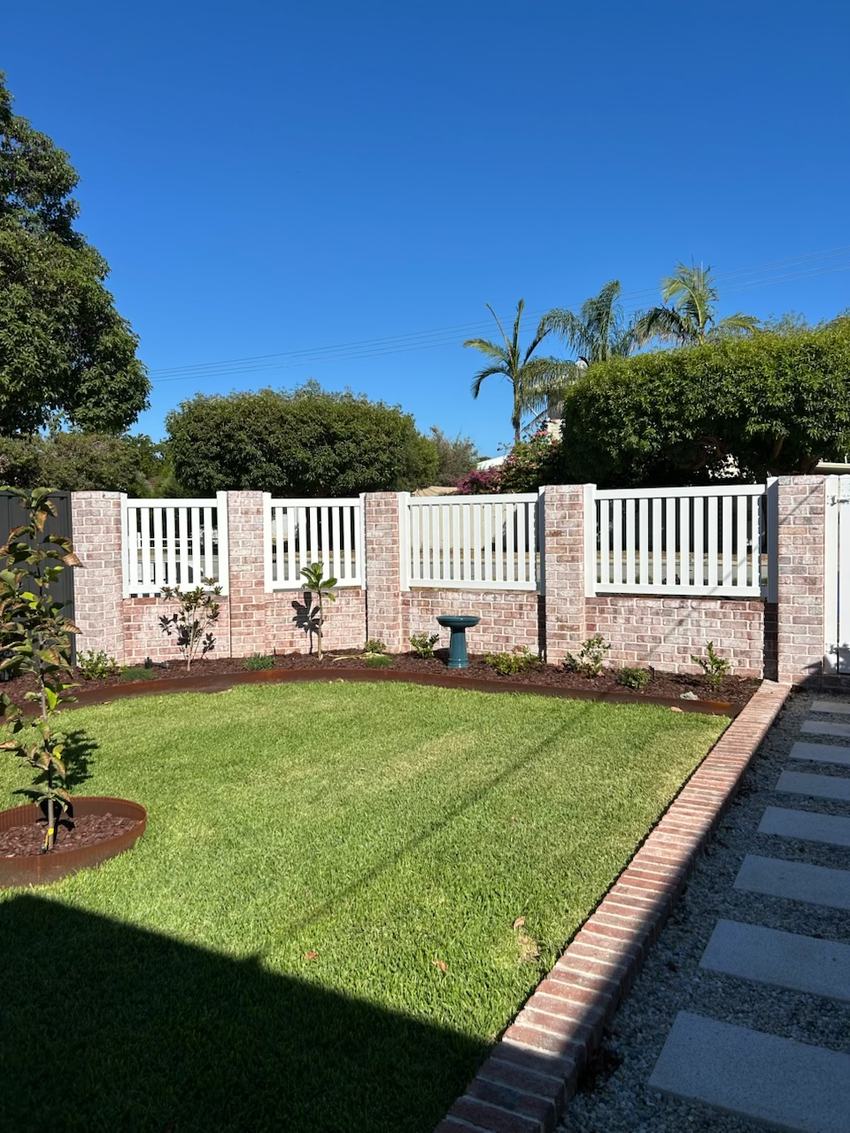
A front boundary fence has to do more than mark a line on a plan. It needs to handle Perth sun, give the right level of privacy, suit the home and keep maintenance off your weekend list. When weighing up PVC vs aluminium fencing, the better option comes down to where the fence sits, how you use the space and the finish you want to achieve.
PVC fencing is often chosen for solid privacy and a clean Hamptons-style look. Aluminium fencing is a strong all-rounder for pool areas, side boundaries, screens and modern slat designs. Both are low-maintenance alternatives to timber, but they perform differently once heat, wind, visibility and daily use are considered.
PVC vs aluminium fencing: the key differences
PVC fencing, sometimes called vinyl fencing, is made from rigid plastic sections that create a solid, painted-look boundary without the regular sanding, staining or repainting associated with timber. It is commonly used in white or light neutral colours and works particularly well with coastal, heritage-inspired and Hamptons-style homes.
Aluminium fencing is made from lightweight metal rails, posts and panels, usually finished with a durable powder coating. It can be installed as tubular pool fencing, horizontal or vertical slat screening, privacy panels and gates. Its clean lines make it a natural fit for contemporary Perth homes, apartments and commercial sites.
The simplest distinction is this: PVC is generally the stronger choice when you want an enclosed, decorative privacy fence. Aluminium gives you more flexibility when airflow, visibility, pool safety or a custom slat design matters.
Privacy and street appeal
For a front or rear boundary where neighbours are close by, PVC offers excellent visual screening. Solid panels block sightlines, soften the look of a large boundary and create a neat, consistent finish from the street. A white PVC fence can lift a weatherboard, rendered or Hamptons-inspired façade without looking heavy.
Aluminium can provide privacy too, particularly in slat form. The spacing, blade size and orientation can be selected to reduce overlooking while still allowing breezes through. This is useful around patios, bin areas, side passages and courtyards where a completely solid fence may make the area feel closed in.
If your priority is maximum privacy at a standard boundary height, PVC usually has the edge. If you want a more architectural screen that controls views without cutting off light and airflow, aluminium slats are often the better fit.
Perth weather, heat and coastal conditions
Perth’s long hot summers make material quality and installation details important. PVC does not rust, rot or attract termites, which is a major advantage over untreated timber. However, it can expand and contract with temperature changes. A professional installer needs to allow for this movement so panels remain straight and secure through the seasons.
Aluminium will not rust in the way untreated steel can, and a quality powder-coated finish is well suited to WA conditions. It is a reliable option for exposed sites because it is light, strong and does not hold moisture. In coastal suburbs, the finish and fixings still matter. Salt carried in the air can affect inferior coatings and hardware over time, so suitable materials and regular washing are worthwhile.
Neither material is completely maintenance-free. PVC benefits from an occasional wash to remove dust, reticulation marks and grime. Aluminium should also be rinsed and cleaned, especially near the coast or beside a pool where salt and chemicals can settle on the surface. The difference is that neither should need the ongoing painting cycle common with timber fencing.
Choosing PVC or aluminium for each area
The best fence material can change across the same property. A solid PVC front boundary may suit the home’s presentation, while aluminium around a pool or alfresco can make more sense for safety, visibility and ventilation.
Front boundaries and rear fences
PVC is a practical choice for homeowners who want a crisp, uniform boundary that feels private from day one. It is especially effective where the fence is a visible design feature rather than just a functional divider. Taller solid panels can help screen a backyard from neighbouring windows, subject to local planning requirements and site conditions.
Aluminium is well suited to front fences where a lighter, more open appearance is preferred. Horizontal slats can complement modern brick, render, timber-look cladding and darker exterior colour schemes. They also work well when you want to show off landscaping rather than hide it behind a solid wall of fencing.
For a long rear or side boundary, compare the total installed cost rather than choosing on material price alone. Site access, demolition, retaining, post footings, gates and changes in ground level can have a significant effect on the final project cost.
Pool fencing and safety barriers
Aluminium is a common choice around Perth pools because tubular panels maintain clear sightlines across the pool area while providing a strong physical barrier. It can be coordinated with aluminium gates, self-closing hinges and latches for a tidy, functional result.
PVC may be suitable as a non-climbable boundary fence outside the pool barrier zone, but it is not a default substitute for compliant pool fencing. Pool barrier requirements depend on the layout, fence location, gate operation and relevant WA rules. The full installation needs to be assessed as a system, not simply selected from a brochure.
If the fence borders a pool, make safety the first decision and style the second. A correctly planned aluminium pool fence can still deliver a polished finish without obstructing the view from the house or entertaining area.
Side screens, courtyards and commercial spaces
Aluminium slat screening is often the more adaptable option for narrow side passages and outdoor living zones. It can hide hot water systems, air-conditioning units, rubbish bins and service areas while keeping air moving. Custom spacing can also reduce direct views into a neighbour’s window or courtyard.
For commercial properties, aluminium is a sensible option where durability, access control and a professional presentation are needed. It can be paired with pedestrian gates, driveway gates and security-minded designs. PVC tends to suit commercial projects only where appearance and solid privacy are the main goals, such as an early learning centre boundary or a customer-facing frontage with a softer look.
Cost, lifespan and repair considerations
The upfront cost of PVC vs aluminium fencing varies by fence height, profile, gate requirements and site preparation. PVC can be a premium choice due to its solid panels and decorative finish. Aluminium costs can range widely, from straightforward tubular panels to custom-made privacy slats and perforated screens.
Rather than focusing only on the initial quote, consider what the fence will require over the next decade. Both materials avoid timber staining and most repainting work, which can make them good value for owners who want a low-maintenance property. Aluminium is generally easier to integrate with matching gates, screens and pool barriers. PVC can offer a more complete, enclosed visual finish where privacy is worth paying for.
Repairs are another practical consideration. A damaged PVC panel may need a matching replacement section, so selecting a reliable product range is important. Aluminium panels and slats can often be repaired or replaced in sections, although colour matching can be affected if an older fence has weathered unevenly.
A practical way to make the decision
Start with the job the fence needs to perform, then choose the material that supports it. PVC is likely to suit your project if you want solid privacy, a bright Hamptons-style finish and minimal ongoing upkeep. Aluminium is likely to be the stronger option if you need pool fencing, modern screening, airflow, adaptable gate options or a more open street presentation.
It also pays to consider the whole exterior rather than one fence line in isolation. Matching an aluminium side gate to slat screening, or carrying the white PVC finish from the front boundary into a garden enclosure, makes the project feel intentional and can improve overall street appeal.
A site inspection is the best point to resolve the details that photos cannot show: slope, soil conditions, access, existing structures, drainage, pool layout and where privacy matters most. Perth Fence Pro can help turn those details into a fast, reliable fencing solution that suits your property, budget and preferred finish.
The right fence should make the property easier to live with every day - more private where it needs to be, more secure at access points and better looking from the street.