
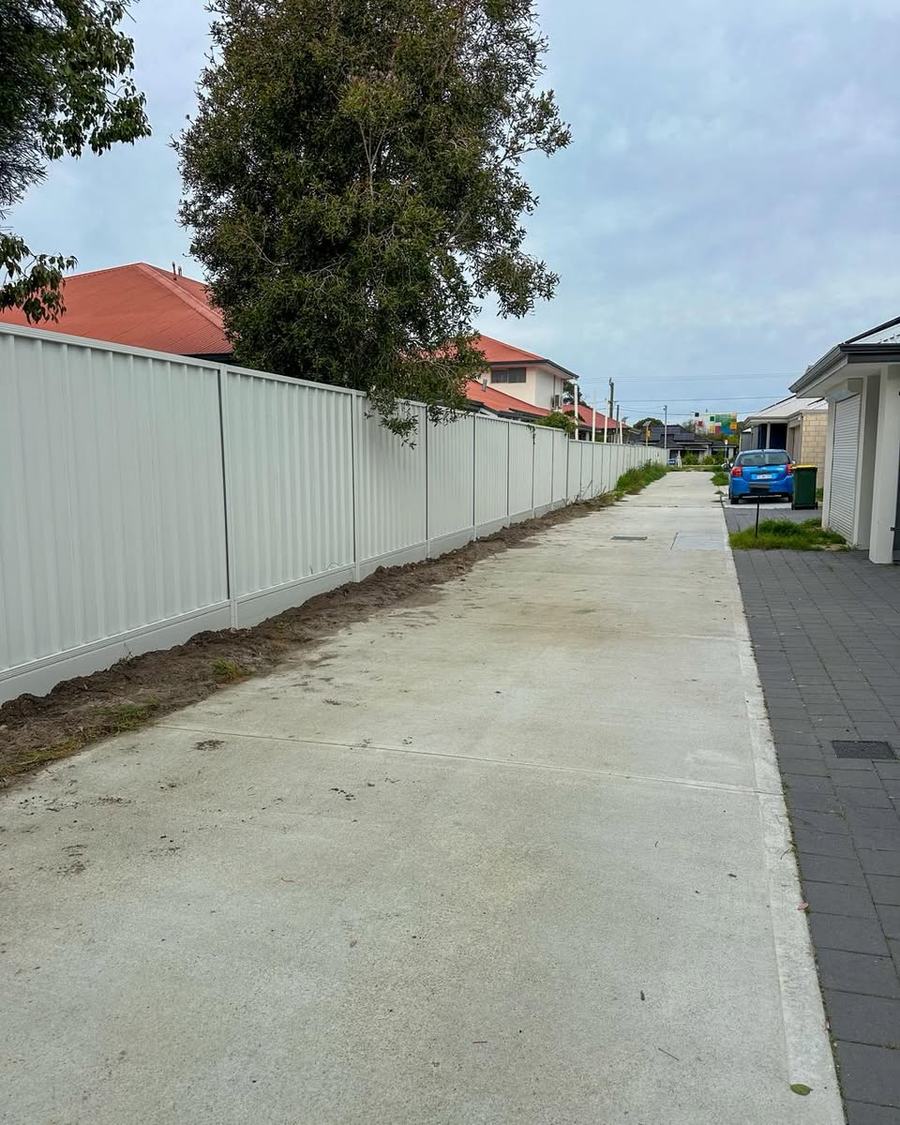
A new boundary fence has to do more than mark where your block ends. In Perth, it needs to handle hard sun, dry summers, winter rain, coastal air and the daily wear of family life. When comparing Colorbond vs timber fencing, the best choice comes down to the level of maintenance you are prepared to take on, the look you want and how long you expect the fence to perform.
Both materials can create privacy, improve security and lift street appeal. The difference is in the ongoing commitment. Timber brings warmth and a traditional finish, while Colorbond provides a clean, modern boundary built for low-maintenance WA living.
Colorbond vs timber fencing at a glance
Colorbond fencing is manufactured from steel and finished with a durable baked-on coating. It is designed to provide full privacy, a neat consistent finish and dependable performance with very little upkeep. It suits side boundaries, back fences, new builds, investment properties and commercial sites where a reliable result matters.
Timber fencing is usually built from treated pine palings, rails and posts. It has a familiar, natural appearance that works well with established gardens, character homes and properties where homeowners want the option to paint or stain their fence in a custom colour.
Neither is automatically right for every property. A shaded inner-suburban garden may suit timber beautifully. A sunny, exposed block in Perth, Bunbury or Busselton may be better served by Colorbond, particularly if you would rather spend weekends enjoying the yard than maintaining the fence.
Durability in Perth conditions
Perth weather is a serious consideration when choosing fencing. Long periods of sun can dry and fade timber, while rain and moisture can contribute to movement, splitting and deterioration over time. Even treated timber needs care to stay in good condition, especially where sprinklers regularly wet the lower palings or garden beds sit against the fence.
Colorbond steel fencing does not rot, warp or attract termites. Its coated steel panels are made to stand up to everyday outdoor exposure, making it a practical option for homeowners who want a fence that stays straight and tidy with minimal intervention. For coastal properties, the right material selection and installation details are particularly important due to salt-laden air. A fencing specialist can advise on the appropriate product options for the site.
Timber can still provide solid service when it is well built and maintained. Quality posts, appropriate drainage and regular repairs make a real difference. The trade-off is that timber is more likely to need individual palings, rails or posts replaced as it ages, whereas Colorbond panels generally retain a more uniform appearance over time.
Termites and moisture make a difference
Termites are a concern for many WA property owners. Timber fencing can be vulnerable, even when treated, depending on site conditions and the product used. It is worth checking the fence regularly for damage around posts, rails and palings.
Colorbond removes timber from the main fence structure, so there is no timber paling fence for termites to feed on. That does not replace sensible termite management around the home, but it can remove one common maintenance concern from the boundary.
Privacy, security and wind performance
A standard Colorbond fence creates a solid, gap-free screen. This makes it an effective choice for close neighbours, busy roads, entertaining spaces and side boundaries where privacy is a priority. It also provides a clean backdrop for landscaping, outdoor kitchens and pool-adjacent areas, subject to relevant pool barrier requirements.
Timber paling fences can also provide strong privacy, although gaps may appear as palings shrink, shift or deteriorate. A new timber fence can look excellent, but its consistency relies on the condition of every individual component.
For security, both options can establish a clear and secure boundary when installed correctly. Colorbond is often favoured for its durable steel panels and limited footholds. Timber can be modified, repaired and extended relatively easily, but loose or damaged palings should be addressed promptly.
Wind is another factor that should not be overlooked. A solid fence catches wind, particularly on open blocks and coastal sites. The post system, footing depth, panel height and site exposure all need to be considered. A quality installation is as important as the fence material itself.
Appearance and design flexibility
Timber has a natural appeal that some properties need. It softens a garden, complements older brick homes and suits owners who enjoy changing the finish with paint or stain. If you are building a cottage-style, rustic or heavily landscaped outdoor area, timber can feel more at home than steel.
Colorbond has moved well beyond the idea of a purely functional boundary fence. Available in a range of contemporary colours, it can be matched to roofing, gutters, render tones and modern exterior palettes. Its straight lines create a sharp finish around new homes, townhouses and commercial properties.
For a more design-led result, Colorbond fencing can also work alongside aluminium slat screening, decorative gates or feature panels. This allows the practical boundary fencing to do its job while the front elevation or entertaining area carries more of the visual detail.
Think about both sides of the boundary
A fence is shared visually, even where ownership and cost arrangements differ. Before deciding, consider the street-facing side, your neighbour's outlook and how the fence will look from living areas, patios and garden paths. A colour and style that suits the full setting usually delivers the best long-term result.
Upkeep: the biggest day-to-day difference
The clearest distinction in the Colorbond vs timber fencing decision is maintenance. Colorbond fencing generally only needs an occasional wash to remove dust, cobwebs, dirt and salt residue. Inspecting the fence after storms or impact damage is sensible, but routine painting, staining and sealing are not normally part of ownership.
Timber needs more attention. Palings may require repainting or staining, and damaged sections can need replacement. Nails can work loose, boards can split, and the fence may gradually weather to a grey finish if left untreated. Some homeowners like this aged look. Others see it as a job waiting to happen.
If you own an investment property, manage a commercial site or simply want a tidy boundary without a recurring maintenance list, Colorbond is often the more convenient choice. Timber can be worthwhile when its appearance is central to your landscape plan and you are happy to maintain it.
Cost: look beyond the first quote
Upfront pricing varies with fence height, access, ground conditions, demolition work, retaining requirements, gate openings and the total metres required. Timber can sometimes have a lower initial price for a straightforward boundary, while Colorbond may cost more at the start depending on the specification.
The better comparison is the cost over the life of the fence. Timber may require painting, repairs and component replacement as it ages. Colorbond's low-maintenance nature can make it strong value over time, particularly where long runs of fencing are involved.
It is also worth considering the cost of disruption. Replacing a leaning timber post or a run of damaged palings can affect garden beds, paving and access to the yard. Choosing a durable system from the outset can reduce those future hassles.
When timber is the better choice
Timber is a sensible option when you want a natural finish, need to match existing timber elements or have a garden design that benefits from a softer boundary. It is also useful where you plan to paint the fence in a very specific colour that is outside standard steel colour options.
Choose timber with realistic expectations. Allow for periodic maintenance, use quality treated materials and arrange repairs before minor issues become larger problems. A well-installed timber fence can still be an attractive and practical part of a Perth property.
When Colorbond is the better choice
Colorbond is usually the stronger fit when privacy, durability and low maintenance lead the brief. It is particularly suited to modern homes, exposed sites, rental properties, busy households and commercial boundaries where a clean, professional appearance needs to last.
It is also an excellent choice when you want a fast, consistent installation across a large boundary. The finished fence provides immediate privacy and a tidy backdrop without waiting for paint to dry or planning the next staining job.
The right fence should suit your block, your budget and how you want to use the space in five or ten years. If you are weighing up a low-maintenance steel boundary against the character of timber, Perth Fence Pro can assess the site and provide a clear quote for a fencing solution that looks right and works hard for your property.