
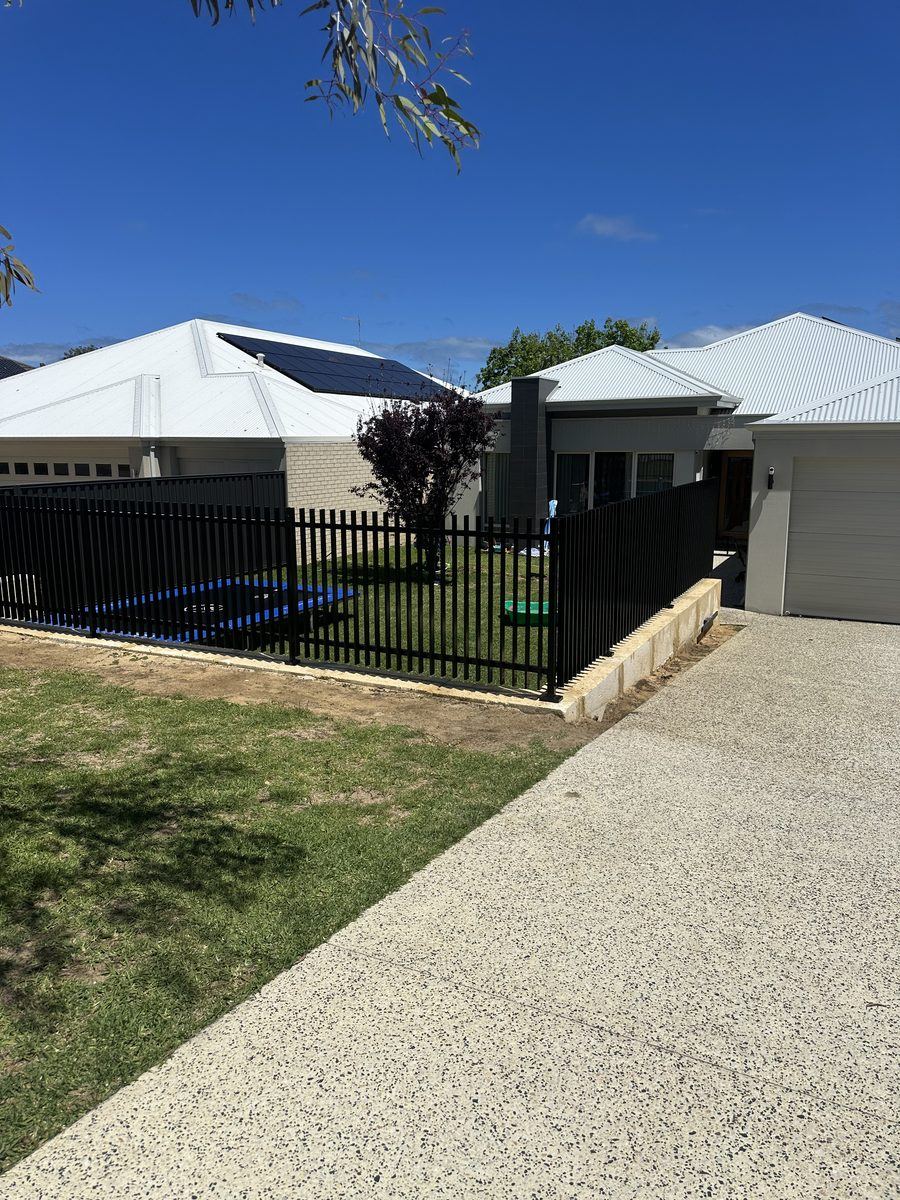
A warehouse fence usually gets attention after something goes wrong - a break-in, repeated trespassing, damaged gates, or stock walking out the door. Good security fencing for warehouses is there to stop those problems earlier, by creating a clear boundary, slowing down unwanted access, and making your site easier to monitor and manage.
For warehouse owners, developers, and commercial property managers across WA, the right fence is rarely just about height. It needs to suit the site layout, the risk level, vehicle movement, visibility requirements, and how the property presents from the street. A fence that looks the part but fails under pressure is a bad investment. So is an overbuilt system that adds cost without solving the real issue.
What security fencing for warehouses needs to do
A warehouse site has different demands from a standard commercial lot. You may have delivery schedules running from early morning to late evening, staff access points to manage, external storage areas, and long boundary lines that need to stay secure without becoming a maintenance headache.
That means security fencing for warehouses should do four jobs well. It should deter entry, define access points, support surveillance, and hold up to constant use. If one of those elements is missing, the whole setup gets weaker.
Deterrence matters because many incidents are opportunistic. A site with a low or easily climbed fence, poor gate control, and obvious blind spots is more likely to attract unwanted attention. A properly specified security fence adds time, effort, and visibility to any attempted entry, which is often enough to make intruders move on.
Access control matters just as much. Warehouses are busy environments, and not every part of the site should be open to every vehicle or visitor. Fencing helps separate public-facing areas from loading zones, staff parking, plant equipment, and stock storage. That separation reduces confusion for legitimate users and creates fewer openings for everyone else.
Choosing the right fence for your warehouse site
There is no single fence that suits every warehouse. The best option depends on what you store, where the site is located, how visible it is from the road, and whether you need to balance strong security with a clean commercial appearance.
Steel security fencing is a common choice for warehouses because it gives you strength, durability, and clear lines of sight. Open-style steel fencing works well where surveillance is important, since it allows cameras and staff to monitor activity through the fence line. It also sends a clear message that the boundary is secure without turning the property into a visual barrier.
If privacy is part of the brief, the answer is less straightforward. Solid panels can reduce visibility into the yard and help screen equipment or stock from public view, but they also create hiding spots if the site layout is not planned carefully. In some cases, a mixed approach works better - more open fencing around key perimeters and more screened sections around selected service areas.
Fence height is another decision that depends on risk. A taller fence generally offers better protection, but only if the rest of the system is designed properly. Weak gates, poor footing installation, or easy climb points nearby can undermine the benefit of extra height. Security is always about the full system, not one specification on paper.
Gates are where warehouse security often succeeds or fails
A strong perimeter fence can be let down quickly by poor gate planning. For warehouses, gates take more impact than most other parts of the installation because they deal with daily traffic, delivery vehicles, staff entry, and after-hours locking.
Sliding gates are often a practical choice where space is tight or where frequent vehicle access is needed. Swing gates can work well too, but they need enough clearance and the right operating conditions. The key is to match the gate style to how the site actually functions, not how it looks on a plan.
You also need to think about how gates are controlled. Manual gates may suit some lower-traffic sites, while automated options can improve convenience and reduce the risk of gates being left unsecured. If the warehouse has multiple users, contractors, or staggered operating hours, access control becomes even more important.
Pedestrian gates deserve the same attention. Staff entries, side access points, and emergency egress routes all need to be secure without becoming awkward to use. If a gate setup is frustrating, people find shortcuts. That is when security standards start slipping.
Security fencing for warehouses and site visibility
One of the most common mistakes in warehouse fencing is focusing only on strength and forgetting visibility. A secure site should still be easy to observe. Clear sightlines help your team, your cameras, and passing traffic notice unusual activity earlier.
This is where open metal security fencing has a practical advantage. It allows visibility into the site while still creating a hard perimeter. For many warehouse properties, that balance is better than a fully solid fence, particularly along road-facing boundaries or around active loading areas.
Lighting should be considered at the same time as fencing, not after the install is finished. Posts, gate positions, and fence lines can either support or interfere with lighting coverage. The same applies to CCTV placement. If your fence design creates blind spots, the problem starts in the planning stage.
Good fencing should work with your wider security setup. It should not compete with it.
Material and maintenance matter more than many owners expect
Warehouse fencing is not a set-and-forget asset if the wrong material is chosen. Coastal conditions, heavy use, accidental knocks from vehicles, and general wear can all shorten the life of a poorly specified fence.
In WA, that local environment matters. Sites closer to the coast or in exposed industrial areas need materials and finishes that can handle harsh conditions without constant upkeep. A cheaper installation can look appealing at quote stage, but if it starts corroding, loosening, or needing repairs too early, the long-term cost climbs quickly.
That is why commercial clients usually benefit from durable, low-maintenance systems that are built for regular use. Galvanised and powder-coated steel options are commonly chosen for this reason. They offer strong performance and a cleaner, more professional finish, which matters if the warehouse also serves as a customer-facing or tenanted property.
Appearance is not just a bonus on commercial sites. A well-finished fence helps present the business properly, supports lease appeal, and shows that the property is managed well. Security and presentation can work together.
Planning for the site you have, not the one on paper
Every warehouse block has its own challenges. Some sites have awkward corners, sloping ground, multiple tenancy access needs, or existing structures that affect the fence line. Others need staged installation so the business can keep operating during works.
This is where experience counts. A fencing solution that looks straightforward can become expensive if the layout has not been thought through properly. Vehicle turning circles, gate run-backs, drainage, footing requirements, and boundary accuracy all affect the final result.
For developers and property managers, it also helps to think ahead. If the site may expand, change tenants, or increase traffic over time, the fence and gate system should allow for that. The cheapest option today is not always the best fit for a property that needs to perform for years.
A reliable contractor should be able to guide those decisions clearly - what suits the site, what is likely to last, and where spending a bit more now avoids problems later. That practical advice is usually worth more than a long list of product features.
Getting the balance right
The best warehouse fence is not always the heaviest or the most expensive. It is the one that suits the risk, supports daily operations, and keeps maintenance manageable. For some sites, that means a straightforward steel security fence with strong gates and clear access control. For others, it may mean a more tailored setup that balances visibility, screening, and presentation.
Perth Fence Pro works with commercial clients who need fast, dependable fencing that performs properly on real sites, not just in a brochure. That means looking at security, traffic flow, durability, and finish together.
If you are planning security fencing for warehouses, the smartest place to start is with the day-to-day reality of the site. When the fence matches how the property is used, it protects more than the boundary - it helps the whole operation run with fewer weak points.