
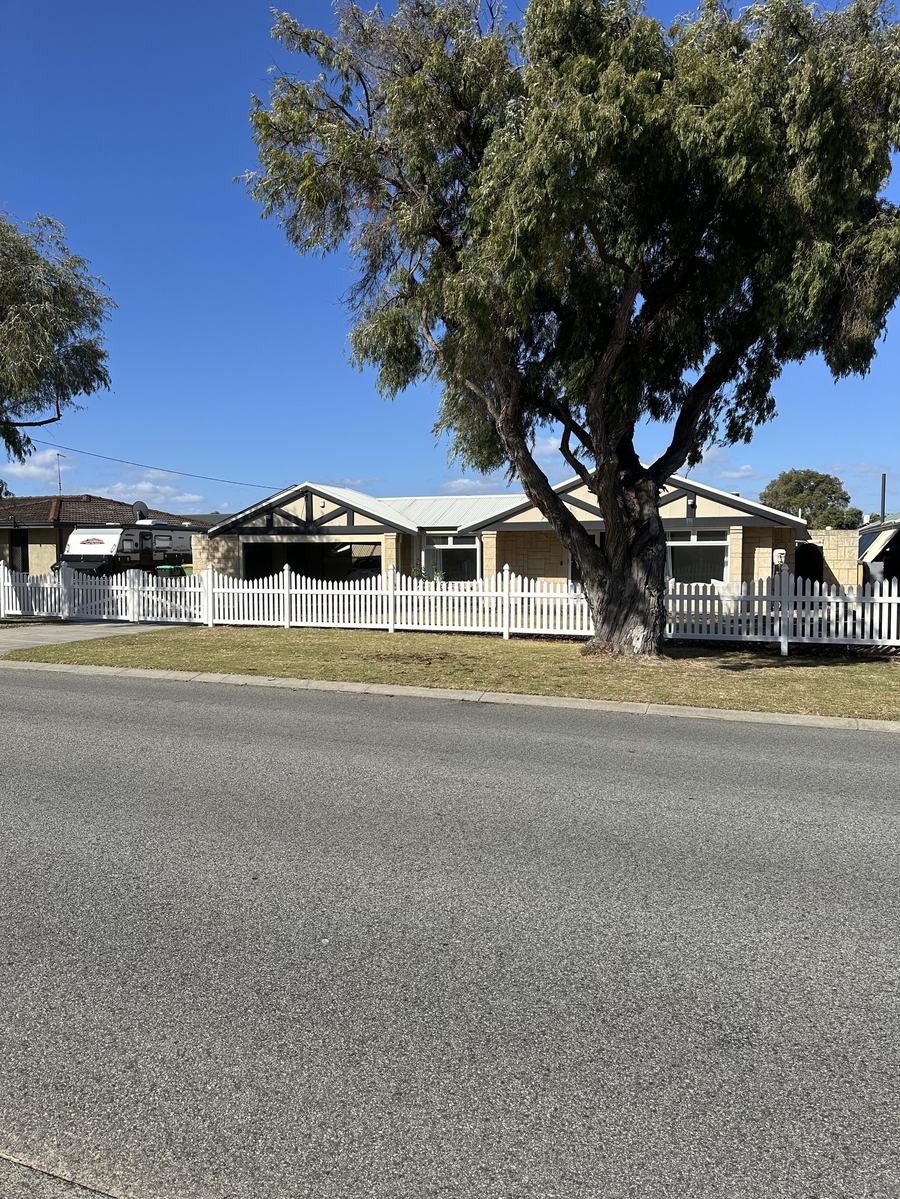
Salt air has a way of exposing weak materials fast. If you own near the coast, you already know that what looks good at handover can start showing wear far sooner than expected. That is exactly why PVC fencing for coastal homes keeps coming up as a smart choice for Perth, Bunbury and Busselton properties - it handles harsh coastal conditions while still delivering a clean, modern finish.
For homeowners and property investors, the appeal is straightforward. You want a fence that protects privacy, lifts street appeal and does not turn into a maintenance job every few months. Near the ocean, that means choosing a material that can cope with salty air, strong sun and regular wind without rusting, peeling or demanding constant repainting.
Why PVC fencing for coastal homes makes sense
Coastal properties deal with a different set of pressures than homes further inland. Salt carried on the breeze settles onto external surfaces. UV exposure is stronger than many people realise. Wind can turn loose panels, poor fixings and lower-grade materials into ongoing repair issues.
PVC fencing suits these conditions because it does not rust like steel and it does not suffer the same moisture-related issues as timber. That matters when your boundary fence, front feature fence or pool area screening is exposed year-round. A good PVC system stays stable, keeps its finish and maintains a neat appearance without asking much from the owner.
That low-maintenance aspect is one of the biggest reasons coastal buyers lean towards PVC. There is no need for regular sanding, repainting or staining. In most cases, a wash-down is enough to keep it looking fresh. For busy households, holiday homes and investment properties, that makes a real difference.
What coastal homes need from a fence
A fence near the coast has to do more than mark a boundary. It often needs to create privacy from neighbouring homes, improve security, screen outdoor living areas and tie in with the style of the house. If there is a pool, it may also need to work alongside compliant pool fencing and gates.
PVC performs well here because it is versatile in both form and finish. It can suit Hamptons-style homes, modern coastal builds and more traditional properties without looking too industrial. White PVC remains a popular choice for coastal settings because it complements light exteriors, landscaped gardens and pool surrounds, but the real value is not just in appearance. It is in getting a fence that still looks sharp after years of exposure.
There is a practical side to this too. Coastal blocks are often more exposed, which means the design and installation matter just as much as the material. Post spacing, footing depth, gate hardware and panel selection all affect how well the fence handles wind and day-to-day use.
The real advantages of PVC on the coast
One of the biggest strengths of PVC is resistance to corrosion. In coastal WA, that is not a small detail. Salt is tough on many building materials, especially anything with exposed metal components. While fixings and hardware still need to be selected properly, the fence body itself is far less vulnerable to the kind of deterioration that can shorten the life of other materials.
Another advantage is consistency of finish. Timber can warp, crack and fade unevenly. Painted surfaces can blister or peel. PVC is built for a cleaner, more uniform appearance over time, which helps if presentation matters to you. For owner-occupiers, that supports the look of the home. For investors and developers, it helps protect perceived property value without adding another maintenance line item.
Privacy is also a strong selling point. PVC panels can provide a solid visual barrier, which is useful for side boundaries, front courtyards and pool zones. If your block sits close to neighbouring homes or a busy street, that extra screening can make outdoor areas far more usable.
Then there is cleaning. Coastal homes collect grime differently. Salt residue, sand and general outdoor build-up can dull surfaces quickly. PVC is easy to wash down, and because the material is not relying on a painted outer layer for its appearance, routine cleaning is usually enough.
Where PVC works best on coastal properties
For many homes, PVC is ideal for front feature fencing where presentation matters first. It gives a crisp finish that suits modern and coastal-inspired facades, and it can create a stronger street presence without feeling heavy.
It is also a strong option for side and rear boundary fencing where privacy and low upkeep matter most. These are the fence runs that often get ignored until they start ageing badly. Choosing a material that holds up with minimal attention makes long-term ownership easier.
Around pool areas, PVC can also be a useful complementary choice, depending on the layout and design goals. It may be used for surrounding privacy screens or adjacent fencing, while compliant pool barriers and gates are integrated where required. This is where it helps to work with a contractor who understands how different fencing types can be combined across one property without the result looking pieced together.
Trade-offs to consider before you install
PVC is a strong coastal option, but the right advice means being honest about trade-offs as well. It is not always the cheapest upfront choice compared with basic timber options. For some owners, that initial price difference is the main hesitation. The flip side is that lower maintenance and longer-term durability often make the overall value stack up better over time.
Style preference also plays a role. Some people love the clean, bright finish of PVC. Others prefer the look of steel, aluminium or natural timber. That comes down to the architecture of the home and what kind of statement you want the fence to make.
There is also the question of impact resistance and design. Not every fence product performs the same way, and not every coastal site has the same level of wind exposure. A narrow side boundary in a sheltered street has different demands to an open coastal frontage. That is why product quality and installation standards matter so much. A well-installed fence built for site conditions will outperform a cheaper option fitted without enough planning.
Choosing the right PVC fencing for coastal homes
The best result usually starts with the purpose of the fence. If privacy is the main goal, full-panel designs often make the most sense. If the fence is more about street appeal, you may want a style that feels more decorative and open while still defining the boundary.
Height, spacing and gate placement all deserve attention early. A fence can look great in a brochure but feel awkward on-site if it does not suit the shape of the block or the way you actually use the outdoor area. This is especially true on corner lots, sloping sites and properties where vehicle or pedestrian access needs to be retained.
Hardware should never be an afterthought on the coast. Hinges, latches and fixings need to suit the environment just as much as the panels do. It is one of those details that separates a fence that keeps working smoothly from one that starts causing problems well before it should.
For WA property owners, local experience counts. Coastal conditions in Perth and surrounding regions are specific, and the right installer will know how to match material, layout and fixings to the site. That is where a specialist can save time and help avoid the false economy of choosing a fence that is not built for the location. Perth Fence Pro works with homeowners, investors and commercial clients who want that balance of durability, privacy and modern presentation without the long wait.
Installation quality matters as much as the material
Even the best fencing product can disappoint if the installation is rushed or poorly planned. Coastal conditions put pressure on every weak point, from footings to gate alignment. If the posts are not set correctly or the layout does not account for wind and ground conditions, you are more likely to see movement, wear and avoidable repairs.
A proper site assessment helps identify what the fence needs to do now and how it is likely to perform in a few years. That includes looking at exposure, slope, access, neighbouring structures and how the fence ties in with other features such as gates, pool areas or screening.
The benefit of getting it right the first time is simple. You end up with a fence that looks sharp, works properly and keeps doing its job without constant attention.
For coastal homes, that is the real measure of value. Not just how the fence looks when it is new, but how well it stands up after summer sun, sea breeze and everyday use have had their say.