
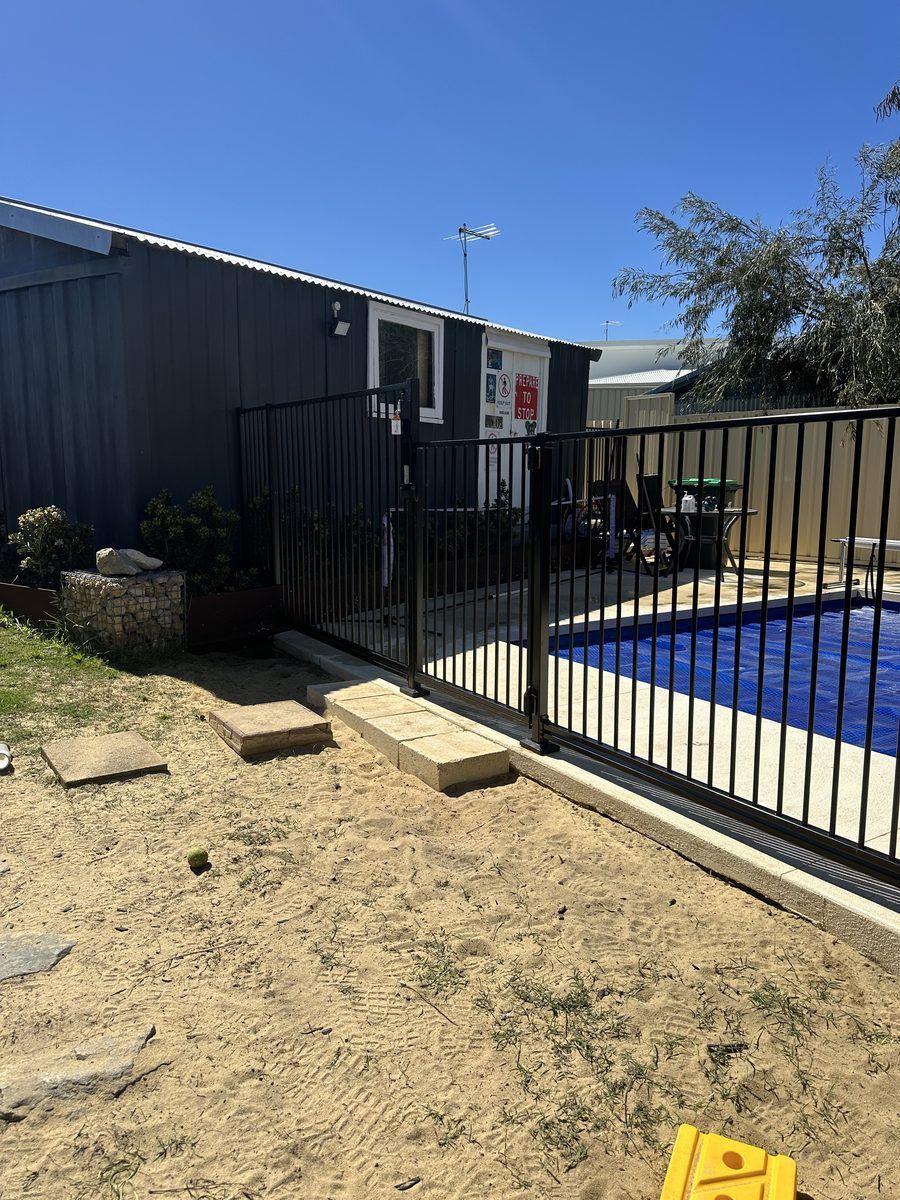
A pool fence can look spot on and still fail inspection over a gap that is too wide, a gate that does not self-close, or a climbable object sitting in the wrong place. That is why pool fencing safety compliance matters well beyond appearance. For homeowners, investors and property managers across Perth and regional WA, getting it right means a safer pool area, fewer headaches with inspections, and a fence that actually does the job it is there to do.
What pool fencing safety compliance really means
In simple terms, pool fencing safety compliance means your barrier meets the legal safety requirements that apply to private swimming pools and spas. Those rules are designed to reduce the risk of unsupervised access, especially by young children. Compliance is not just about installing a fence around water. It is about the full barrier system working as intended, including fence height, ground clearance, gate hardware, latch position and the surrounding area.
This is where many property owners get caught out. A fence might have been compliant when it was first installed, but things change. Paving settles, garden beds rise, hinges wear, or a pot plant gets placed too close to the fence. A barrier can move from compliant to non-compliant without any major building work taking place.
For that reason, compliance should be treated as an ongoing responsibility rather than a one-off box to tick.
Why compliance matters for WA properties
Around Perth, Bunbury and Busselton, pools are a major feature of family homes and investment properties. They add lifestyle value, improve street appeal and make outdoor areas more usable. But they also come with clear legal obligations.
If your pool barrier does not meet the required standard, the risks are obvious. Safety comes first, but there are also practical consequences. You may run into issues during inspections, when leasing a property, or when preparing a home for sale. In some cases, owners only discover a compliance problem when a gate fails to latch properly or when a council inspection picks up defects that have gone unnoticed for years.
A well-built, durable fence helps avoid those problems. It also gives you confidence that the pool area is protected without compromising the look of the space.
The main elements of pool fencing safety compliance
There is no single feature that makes a pool fence compliant. It is the combination of details that counts. Height is one of the first checks. The barrier must be high enough to restrict access, and the gap underneath must also stay within the allowable limit. If the ground level changes or erosion occurs, that clearance can become an issue.
Gates are another major focus. They need to open away from the pool area, self-close from any open position, and self-latch reliably every time. If a gate drags, sticks, or closes too slowly, that can be enough to create a problem. The latch height and accessibility also matter, particularly where a child may be able to reach through or over the gate.
Then there is the question of climbability. A compliant fence can still fail if nearby objects create an easy foothold. That might be a retaining wall, a pool pump housing, stacked materials, outdoor furniture or thick landscaping. Frameless and semi-frameless glass, aluminium tubular fencing and other modern options can all work well, but they still need the surrounding zone considered properly.
Common reasons pool fences fail inspection
Most non-compliance issues are not dramatic building failures. They are small faults that affect performance. Gates are a common culprit because they take regular use and wear over time. Hinges lose tension, latches become unreliable and alignment shifts.
Ground levels also cause trouble. A fence panel may have been installed correctly, but if soil is removed, pavers sink or edging changes, the gap below can increase. On the other side, built-up garden beds or decorative elements can create climb points.
Older fencing is another category to watch. Some properties have barriers that were installed under older rules or altered over time with patch repairs. A section gets replaced, a gate is changed, or nearby structures are added without looking at the full compliance picture. That is where a professional review can save time and money before issues become bigger.
Choosing the right fence for compliance and appearance
Pool fencing should do two jobs well. It must meet safety requirements, and it should suit the property. For many owners, that balance matters just as much as the technical side.
Glass pool fencing remains popular because it keeps views open and gives pool areas a clean, high-end finish. It works especially well in modern homes where preserving sightlines is a priority. The trade-off is that it needs accurate installation and regular cleaning to keep it looking sharp.
Aluminium pool fencing is another strong option. It is durable, low-maintenance and practical for a wide range of homes. It can also suit tighter budgets while still delivering a neat, secure finish. Depending on the design, it may provide a more visible barrier line than glass, which some families actually prefer.
There is no one-size-fits-all answer here. The best choice depends on your layout, how exposed the area is, the look you want, and how much ongoing maintenance you are comfortable with.
Pool fencing safety compliance starts with good installation
Even high-quality materials will not solve a poor install. Accurate spacing, correct gate setup and attention to site conditions are what give a fence the best chance of staying compliant over time. On sloping blocks, tight access sites and older pool surrounds, those details matter even more.
This is why experienced installation makes a difference. A contractor who understands both the compliance requirements and the finished presentation can plan around practical site issues early. That might include identifying potential climb points, choosing the right gate hardware, or adjusting panel placement to suit paving and drainage.
Fast turnaround is valuable, but speed should never come at the cost of precision. A pool fence needs to be installed cleanly the first time, with the right measurements and a proper understanding of how the barrier will function in daily use.
What to check if you already have a pool fence
If your fence is already in place, a few simple checks can help you spot problems early. Open the gate fully and see whether it self-closes without help. Make sure the latch engages every time. Look along the bottom of the fence for changes in clearance, especially after landscaping or paving work. Check for nearby items a child could climb, even if they were added long after the fence was installed.
It is also worth paying attention to wear and tear. Coastal conditions in WA can be hard on fittings and finishes, particularly around exposed properties. Hardware, fixings and hinges should be in good working order, and the fence should remain stable and secure.
If anything feels off, it usually is. A sticking gate or loose panel rarely improves on its own.
When upgrades make more sense than repairs
Sometimes a minor repair is enough. Replacing a latch, adjusting hinges or clearing the surrounding area may bring a fence back into line. In other cases, repeated patch-ups are not the best long-term move.
If the fence is ageing, inconsistent in style, or built around an outdated layout, upgrading can be the smarter option. A new pool fence can improve compliance, reduce maintenance and lift the overall look of the outdoor area at the same time. For investors and owners preparing a property for market, that combination is often worth it.
A quality replacement should not feel like a compromise between safety and presentation. Done properly, it adds both.
Getting pool fencing safety compliance right the first time
For new builds, renovations and pool upgrades, early planning is the best way to avoid delays. Compliance should be considered from the start, not after the pool area has already been designed around furniture, planting and hardscaping. The fence is part of the space, not an afterthought.
That approach usually leads to better results visually as well. When the barrier is planned properly, it can frame the pool area, support the home’s style and maintain easy access without looking tacked on. For property owners who want a secure, low-maintenance finish that still adds value, that is the real win.
If you are unsure whether your current barrier is up to standard or you are planning a new installation, getting clear advice early can save a lot of rework later. Perth Fence Pro works with WA property owners who want pool fencing that is safe, durable and built to suit the home.
A pool fence should never leave you guessing. When compliance and quality are handled properly, you get a safer space, a better-looking result and one less thing to worry about.