
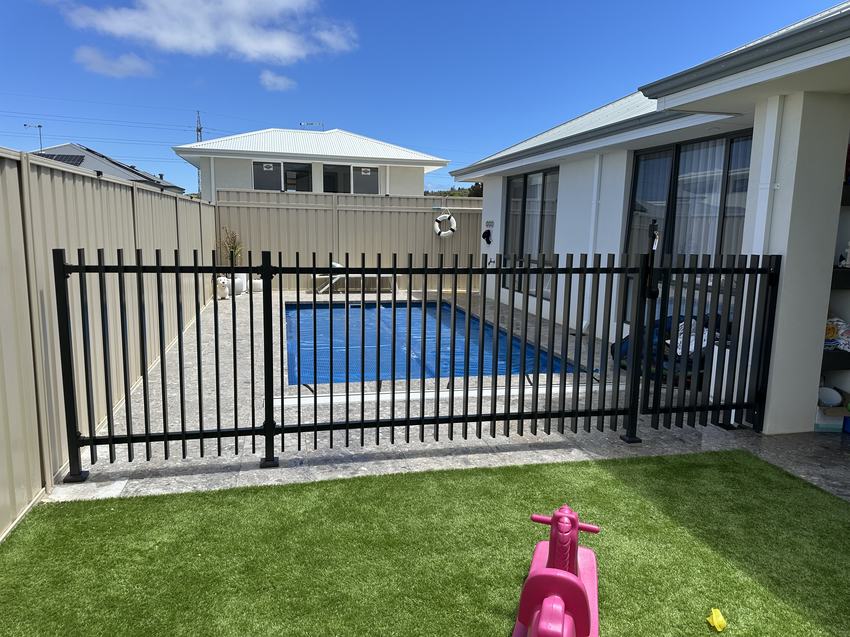
A pool fence is not just another backyard boundary. It is a safety barrier that needs to work every time a child, guest or pet is near the water. Knowing how to secure a pool perimeter means looking beyond the fence panels themselves and considering access points, clear zones, materials, ground levels and ongoing maintenance.
For Perth homes, the right solution should also handle hard summer sun, coastal conditions where relevant, and the everyday demands of an active outdoor area. A well-planned pool perimeter can make the space safer without closing it in or compromising the clean, modern look of your backyard.
Start with the pool barrier requirements
Before choosing a fence style, establish the pool barrier rules that apply to your property. In Western Australia, swimming pools and spas generally require a compliant safety barrier, and requirements can vary depending on when the pool was installed and the type of property.
Your local council is responsible for inspections and can confirm the standards that apply to your pool. This is worth doing before any installation starts. Fence height, gate operation, gaps beneath the fence, climbable objects and the location of the barrier all affect compliance.
A practical rule is to treat compliance as the starting point, not the finishing touch. Retrofitting a gate, moving a planter box or replacing unsuitable panels after installation can add avoidable cost and delay.
Choose a fence that suits the pool area
The best pool fencing material depends on your layout, visual priorities and exposure to the elements. Aluminium pool fencing remains a popular choice across Perth because it is durable, low-maintenance and available in clean, modern profiles. It allows airflow and visibility across the yard, which can make supervision easier while keeping the pool zone clearly separated.
Frameless or semi-frameless glass fencing can suit homeowners who want uninterrupted views of the pool, garden or entertaining area. It creates a premium finish, particularly around contemporary homes, but needs regular cleaning to keep glass clear of water marks, salt residue and fingerprints. It may also be less suitable where privacy is a higher priority.
For some properties, a compliant boundary fence can form part of the pool barrier. Colorbond fencing, PVC fencing or aluminium slat screening may work well in the right location, particularly where a pool sits close to a side or rear boundary. However, these options must still meet the relevant barrier requirements and should never be assumed to be compliant simply because they are tall or solid.
Material choice is also about the way the area feels. A black aluminium fence can give a crisp architectural edge around pale paving. White PVC may complement a Hamptons-style exterior. Aluminium slats can provide privacy around a poolside lounge zone, provided their design and placement do not create climbable footholds.
Plan the perimeter, not just the fence line
A secure pool perimeter creates one controlled route into the pool area. That route should be obvious, easy for adults to use and difficult for young children to access without supervision.
Where possible, position the fence so it separates the pool from the home and main outdoor living spaces. This may not be practical on every block, especially with older pools or compact courtyards, but it is often the safest arrangement. It creates a deliberate barrier between daily household activity and the water.
Think about how people move through the yard. If the gate opens directly onto a barbecue area, a clothesline path or the route from the house to the shed, it will be used constantly. High traffic does not make a gate unsafe, but it does make reliable self-closing and self-latching hardware even more critical.
It is also wise to allow enough room outside the barrier for garden work, cleaning and repairs. A fence pushed tightly against retaining walls, dense planting or services can be difficult to inspect and maintain. Good access helps keep the barrier secure long after installation day.
Make the gate the strongest part of the system
Most pool barrier problems come back to gates. A fence can be solid and well installed, but a gate that does not close or latch consistently creates a serious weakness.
Your pool gate should be self-closing and self-latching, with hardware installed and adjusted to meet the relevant requirements. It should swing away from the pool where required, close from any open position and latch without being pushed shut manually. Test it several times, not just once. Wind, uneven paving, worn hinges and gate sag can all change the way it performs.
Avoid propping the gate open while entertaining, carrying groceries or doing garden work. It may seem harmless for a few minutes, but an open pool gate removes the protection the whole system is designed to provide. If regular access is needed, choose quality hardware and a gate layout that makes daily use straightforward.
For larger properties, consider whether a second access point is genuinely necessary. Every extra gate adds another item to maintain and another potential failure point. One well-positioned, reliable gate is often the better outcome.
Keep climbable objects away from the barrier
A pool fence needs a clear area around it. Children are resourceful climbers, and objects that seem harmless in a normal garden can become a step over a barrier.
Move furniture, pot plants, eskies, storage boxes, outdoor toys, barbecues and bins away from the fence line. Check both sides of the barrier, not only the pool side. A bench against the outside of the fence can provide an easy climb path even if the pool area itself is clear.
Landscaping needs the same attention. Trees, shrubs and vines should be trimmed so they do not provide handholds or create a route over the fence. Fast-growing plants can become an issue between inspections, particularly after a wet winter or a burst of spring growth.
Retaining walls, raised garden beds and nearby structures can also affect barrier performance. Changes in ground level may reduce the effective height of a fence or make it easier to climb. This is one reason pool fencing should be designed around the finished landscape, not added as an afterthought.
Check gaps, levels and fence condition
Security comes down to details that are easy to miss. Gaps under a fence can open up as soil shifts, paving settles or garden edging is replaced. Loose panels, damaged rails and corroded fixings can weaken the perimeter over time.
Walk the full fence line regularly and look for movement, sharp edges, loose screws, cracked glass fittings, bent aluminium sections or gaps that have appeared near gates and corners. If your property is near the coast, salt air can accelerate wear on unsuitable fittings, so quality materials and regular checks matter even more.
Pay attention after landscaping work, storms or trades access. A contractor may temporarily move a panel, store equipment against the fence or alter ground levels without realising the effect on the pool barrier. A quick check before the area returns to normal use is a sensible habit.
Build security into the wider backyard design
A pool area should feel inviting, but it should also have clear boundaries. The most successful designs combine fencing, gates, privacy screening and landscaping so the safety barrier looks intentional rather than added on.
For example, aluminium pool fencing can define the immediate water area while slat screening adds privacy to a neighbouring patio. A durable Colorbond boundary fence can secure the broader yard, with a separate compliant barrier controlling access to the pool. This layered approach is especially useful for families, rental properties and homes with frequent visitors.
Lighting can also support safer use after dark. Well-placed lighting around paths and gates makes it easier to see whether the gate is properly closed, without creating glare across the water. Keep electrical work and fittings suitable for the location, and avoid placing lights or fixtures where they could create a climbable point near the barrier.
Use a professional installation and maintain it
Pool fencing is not the place to cut corners on measurements, footings or gate hardware. Professional installation helps ensure posts are secure, panels are correctly aligned and the gate operates as intended from day one. It also gives you a cleaner finish that complements the rest of the property.
At Perth Fence Pro, pool fencing can be planned around the layout, style and practical needs of your home, from streamlined aluminium fencing to privacy-focused solutions around the wider outdoor area. The goal is a durable perimeter that protects the people who use your pool and improves the look of the space around it.
Set a reminder to inspect the gate and fence line regularly, especially before summer gatherings. A secure pool perimeter is not a one-off project - it is a simple, ongoing part of keeping your backyard ready for family life.